As the new year is still young, we asked wine and food journalist Aleks Zečević to share his favourite places in Austria for 2025. The list spans from east to west and reflects a broad range of tastes, all connected by high-quality cuisine, inviting ambience, and a shared passion for organic farming. Enjoy — and thank him later!
1. Gasthaus Restaurant Thaller
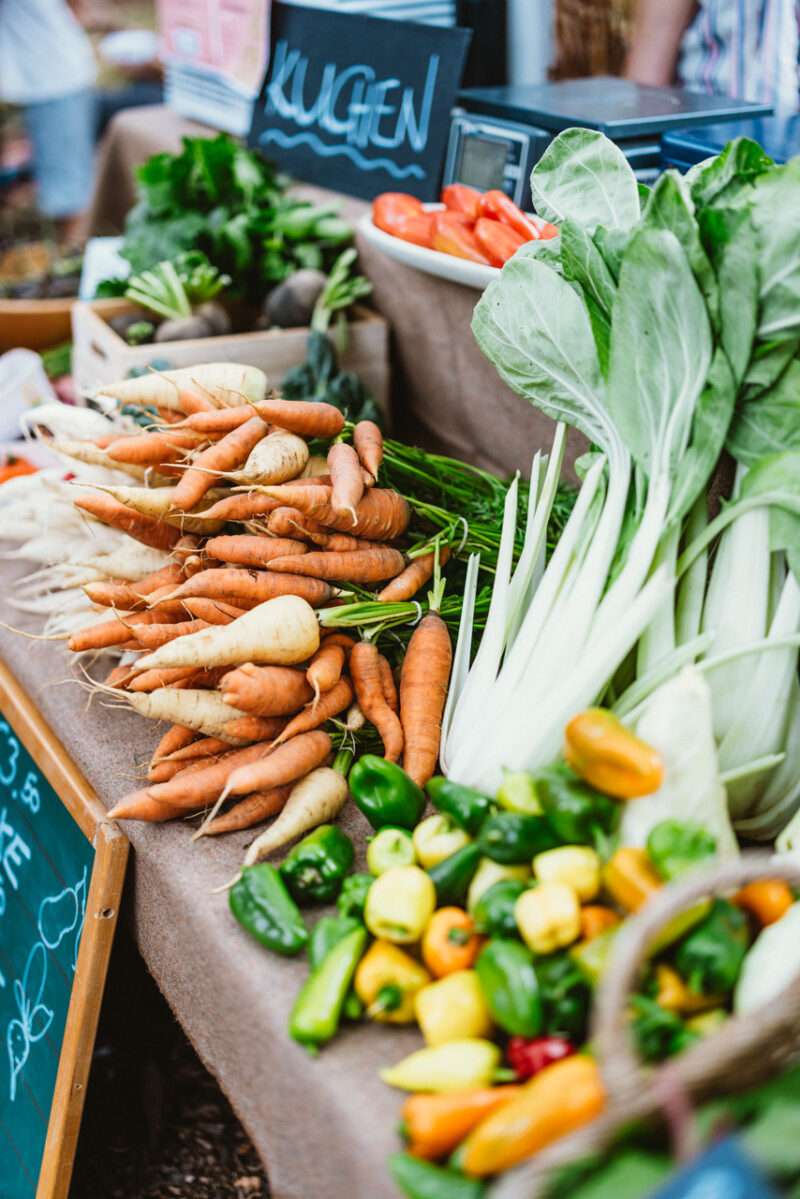
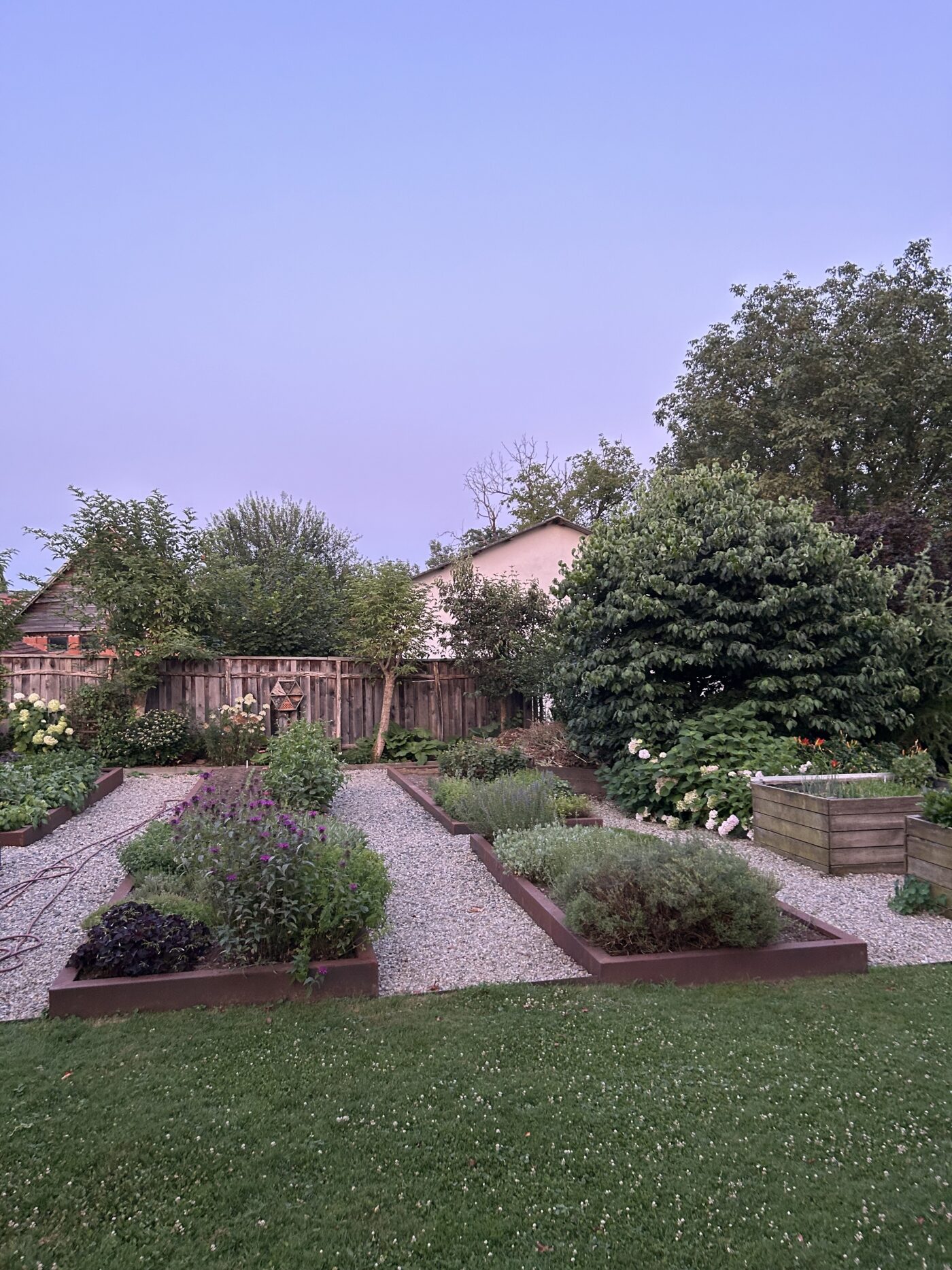
I don’t like to play favorites, but this might just be the best restaurant in Austria right now. Run by Norbert and Manuela Thaller in the rolling Styrian hills, Gasthaus Thaller radiates a quiet honesty that’s hard to fake. The first time I visited, I kicked off my shoes and wandered barefoot through their garden, brushing against herbs and watching fish circle lazily in the pond that feeds the kitchen. That small, grounding moment said everything about the place — rooted, calm, self-sufficient.
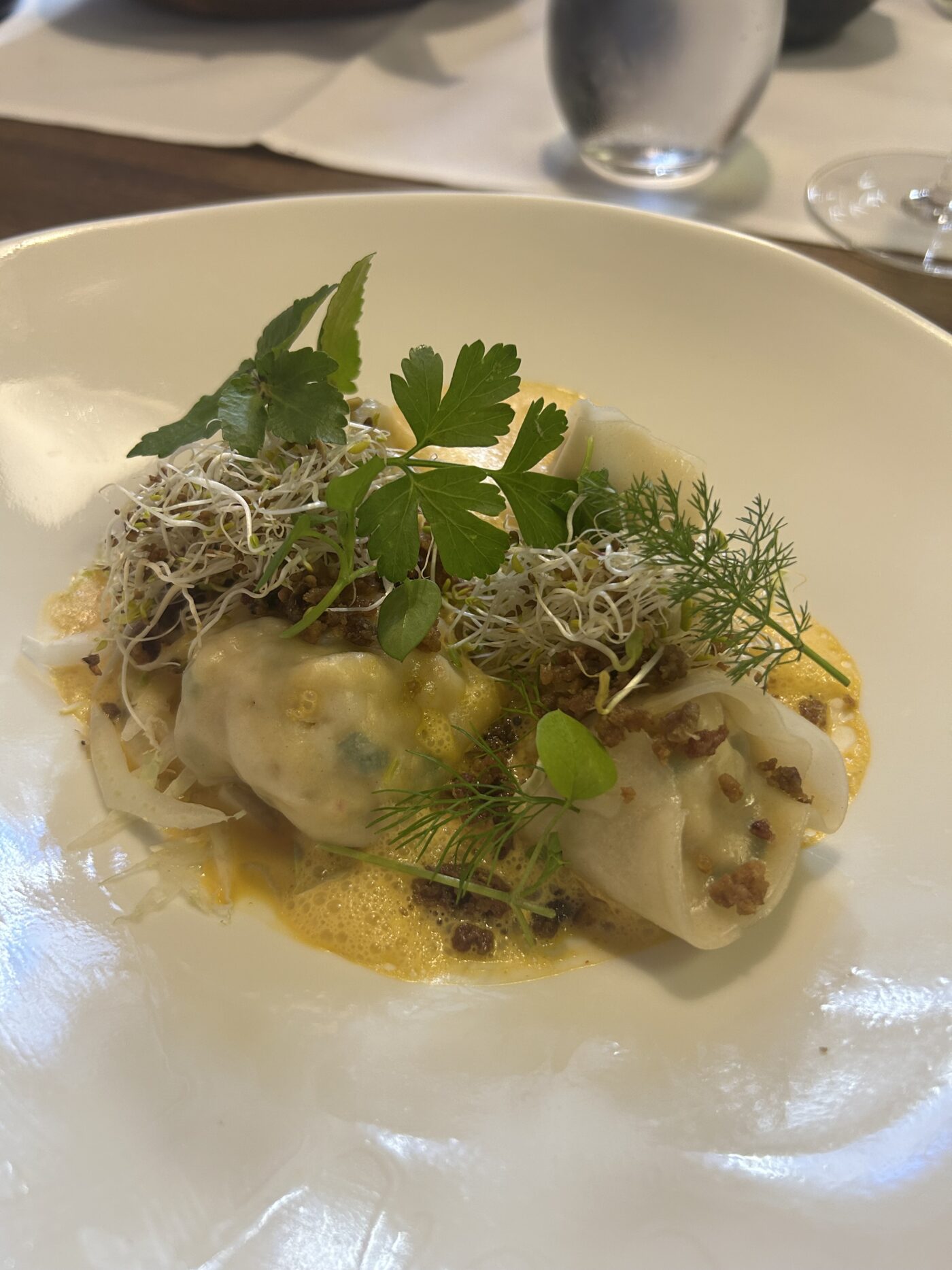
The kitchen follows the same rhythm. Vegetables from the garden, trout from the pond, and a strong showing of Austrian natural wines, especially from Styria, including older vintages. I’ve had some of the best wines of my life here: a magnum of Werlitsch Ex Vero II 2013 and Schnabel’s Blaufränkisch Hochegg 2014. Lunch is comforting; dinner, elevated. Both utterly delicious.
The setting seals it: Cozy indoors, and in warm weather, the garden becomes pure magic. Before you leave, stop by the shop, it’s stocked with preserves, ferments, goulash, and prepared dishes to take home, so a bit of Thaller lingers even after you’ve gone.
2. Mocking – Das Wirtshaus
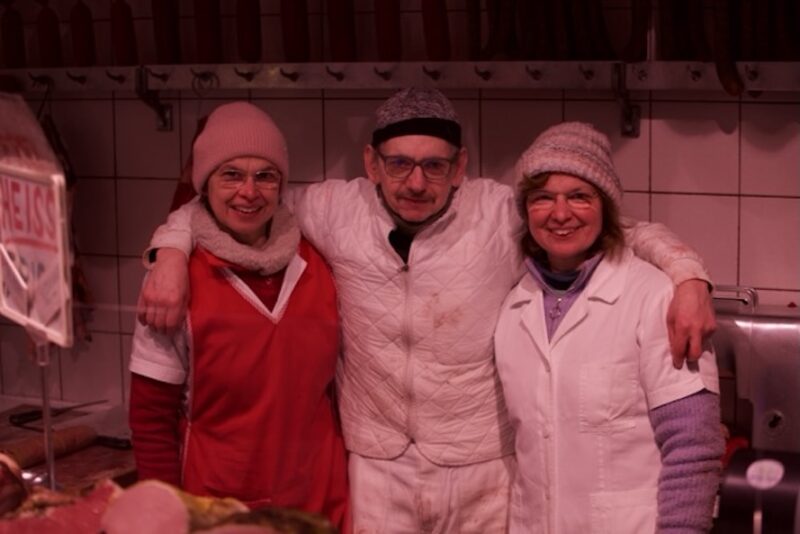
Tucked at the foot of the Streif, Mocking – Das Wirtshaus is a restaurant that lingers with you long after you leave. Chef-owner Martin Huber, son of Kitzbühel’s legendary butcher, cooks with a rare mix of confidence and humility, turning Alpine staples into something quietly transcendent.
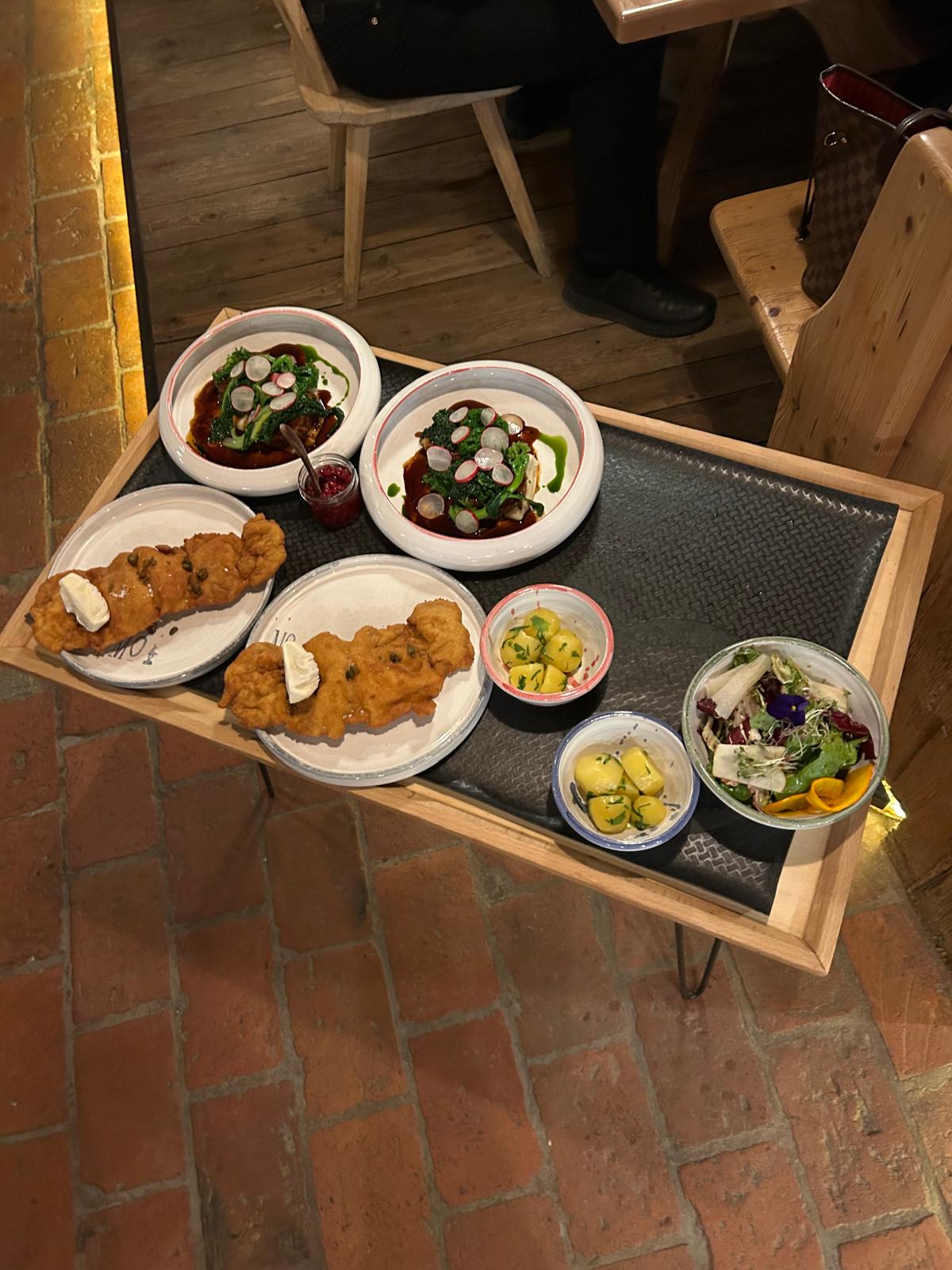
The smoked trout topped with crispy garlic is the perfect start here: simple, and full of smoke and salt. The fried chicken and schnitzel, golden and unapologetically crisp, beg for a high-acid white like the Vino Gross Colles I drank there. But the dish that stopped me cold was the Beuschel — veal lungs and innards slow-cooked into a dark and savory, winter comfort. And to finish, the Buchteln: soft, pillowy, filled with jam, and drowned in warm vanilla sauce until the whole room smelled like a memory of grandma’s kitchen.
Mocking makes Kitzbühel feel honest again with real food and wine, and no gloss, or someone’s pretentious idea of quality. Just the Alps as they are, and not a facelift in sight.
3. Rote Wand
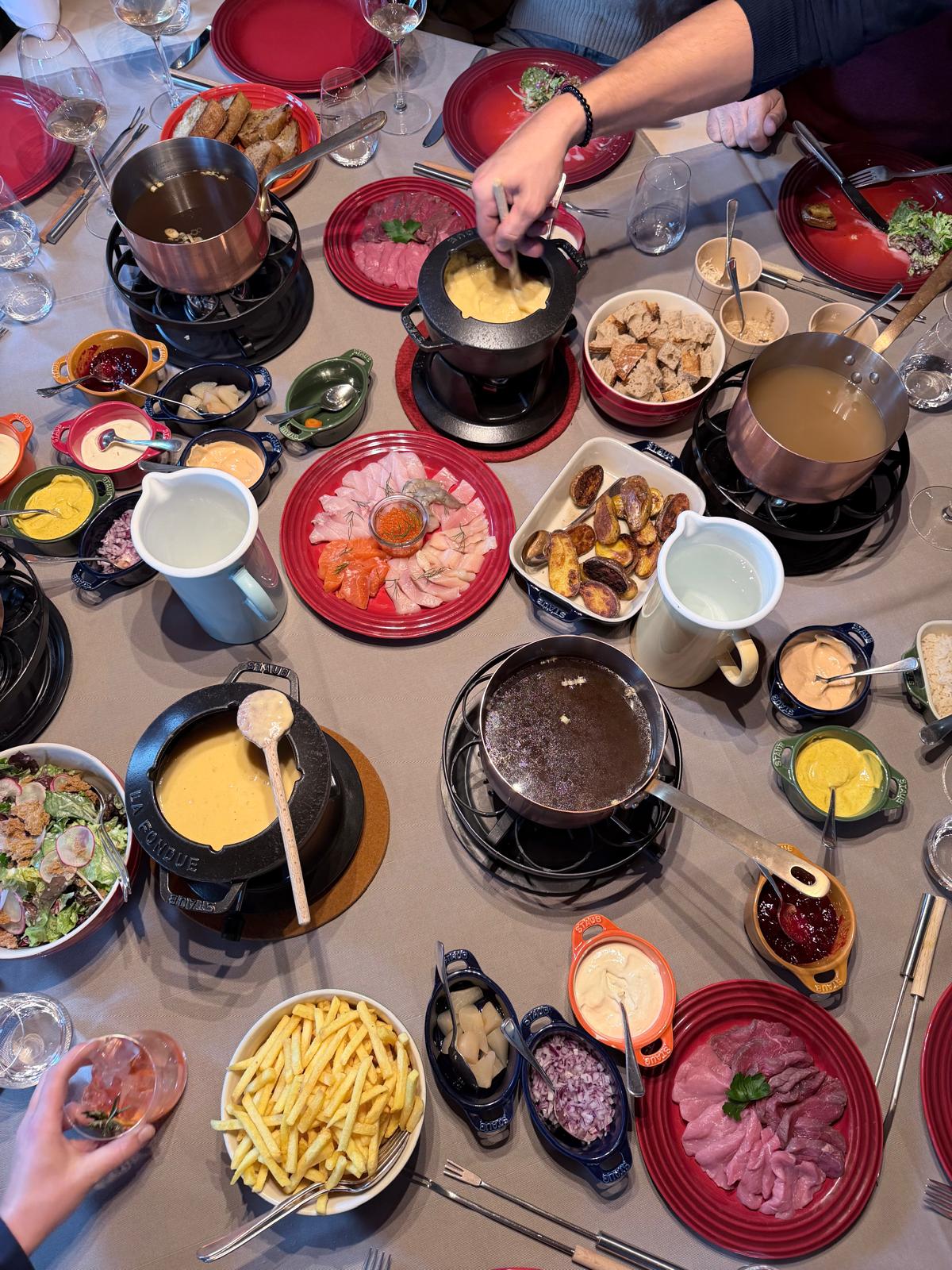
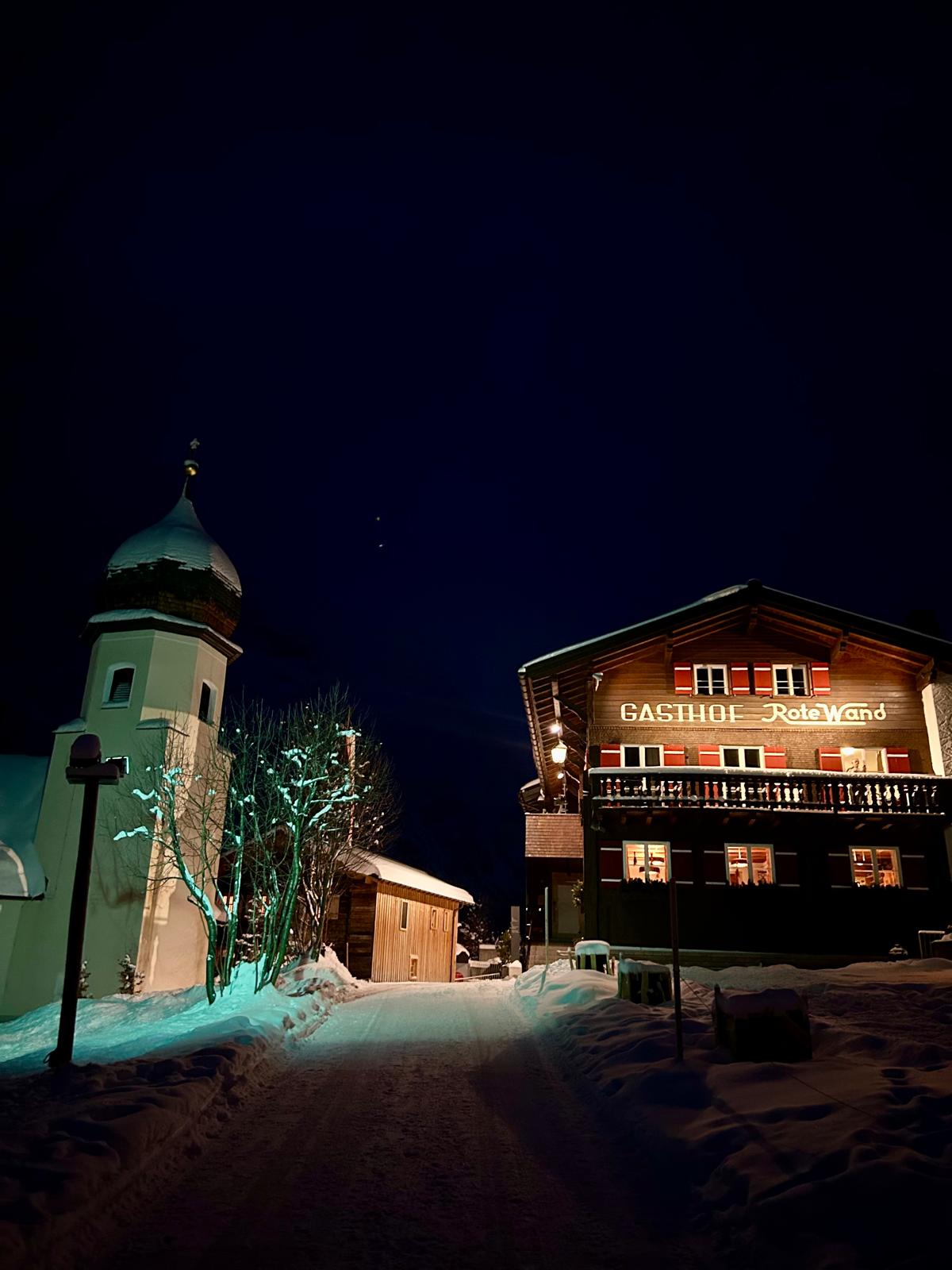
Nestled beneath the legendary Rote Wand peak in Zug, just outside Lech am Arlberg, this hotel feels like an alpine secret waiting to be uncovered. I’ve experienced the Chef’s Table and spent time in their Stuben, for drinks,or a comforting dinner, and of course for a hearty Alpine breakfast. Before you even reach the dining room, the hotel’s internal walkways and tunnels—stone-lined, dimly lit, and bathed in red—feel like a scene from a David Lynch film: half mystery, half mountain retreat.
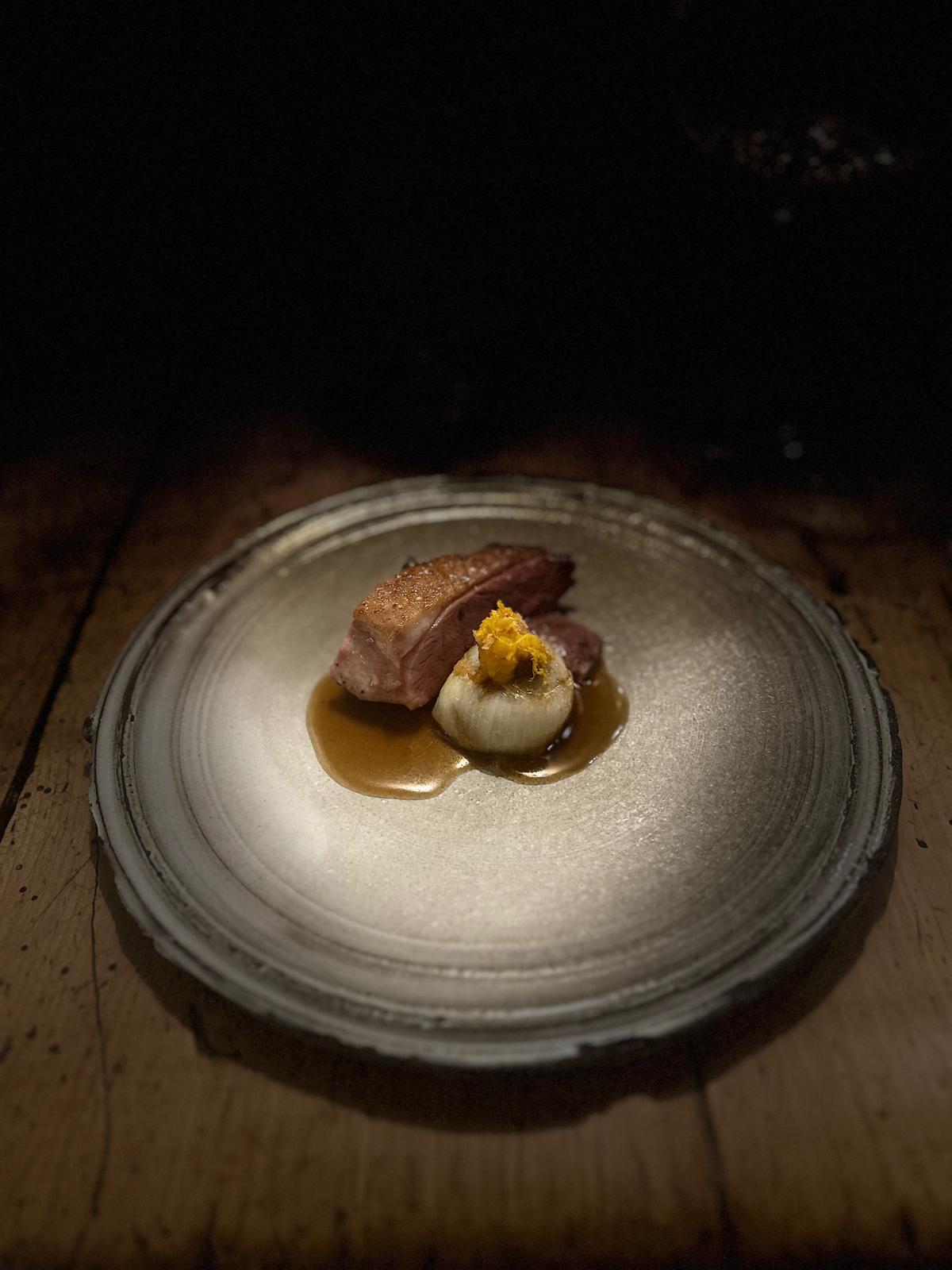
At the Chef’s Table, the ingredients, foraged, self-farmed or hunted, are presented by the chef with amuse bouche and wines that open your appetite. The highlight was the roasted duck — its smoke clinging to my sweater for days, a badge of an evening well spent.
The wine list is equally daring: a curated, brave selection of natural wines from around the world, at excellent prices, layered atop Austrian classics. In between skiing and eating, the 1,500 m² Red Spa awaits: Outdoor Finnish sauna, bio-sauna, salt-water steam grotto, and heated indoor and outdoor pools, all with mountain-view serenity. Rote Wand doesn’t “do” ski-town glitz. Instead, it offers alpine luxury infused with soul.
4. Wirtshaus Steirereck am Pogusch
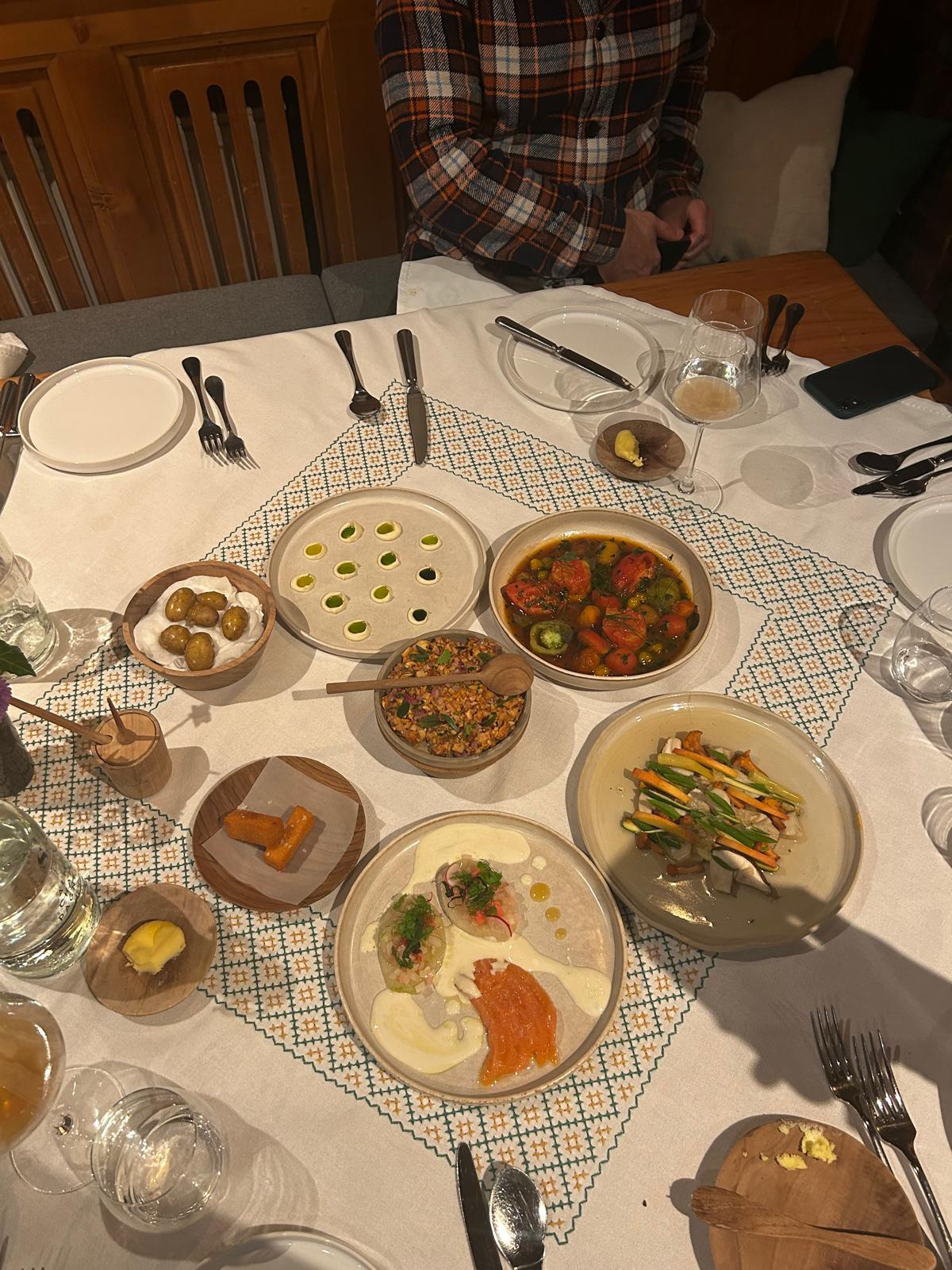
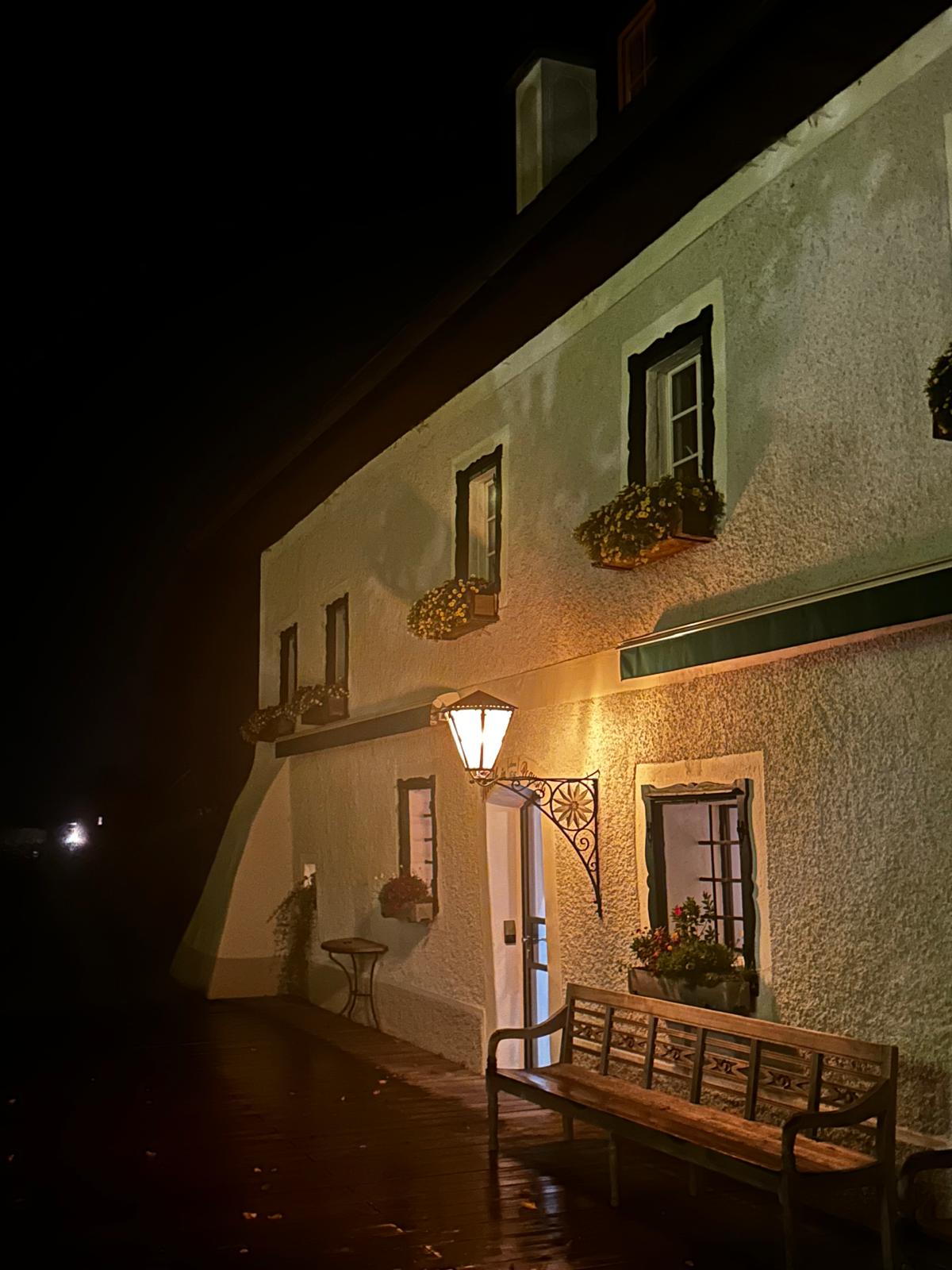
Tucked high in the wooded hills of Pogusch, this is Steirereck’s wilder, freer alter ego. It is a mountain outpost where fine dining meets self-sufficiency. The kitchen runs on its own ecosystem: vegetables, herbs, fruit, and animals all raised or foraged nearby. When I visited, I sat by the open fire and had what might be the best bouillon of my life—clear, concentrated, and quietly profound, the soup that speaks of patience.
The food is deeply connected to the land: nose-to-tail meats, freshwater fish from the Hochschwab, and vegetables that taste as if they were just pulled from the soil (because they were). The wine game is perfectly tuned. There’s no printed list, as guests are invited straight into the cellar to choose their own bottle. It’s a treasure hunt through Austrian benchmarks, natural upstarts, and blue-chip classics. And if decision fatigue sets in—or the evening stretches longer than planned—there are rooms upstairs where you can simply stay the night. After all, this is the kind of place where one bottle too many feels entirely justified.
5. Glacis Beisl
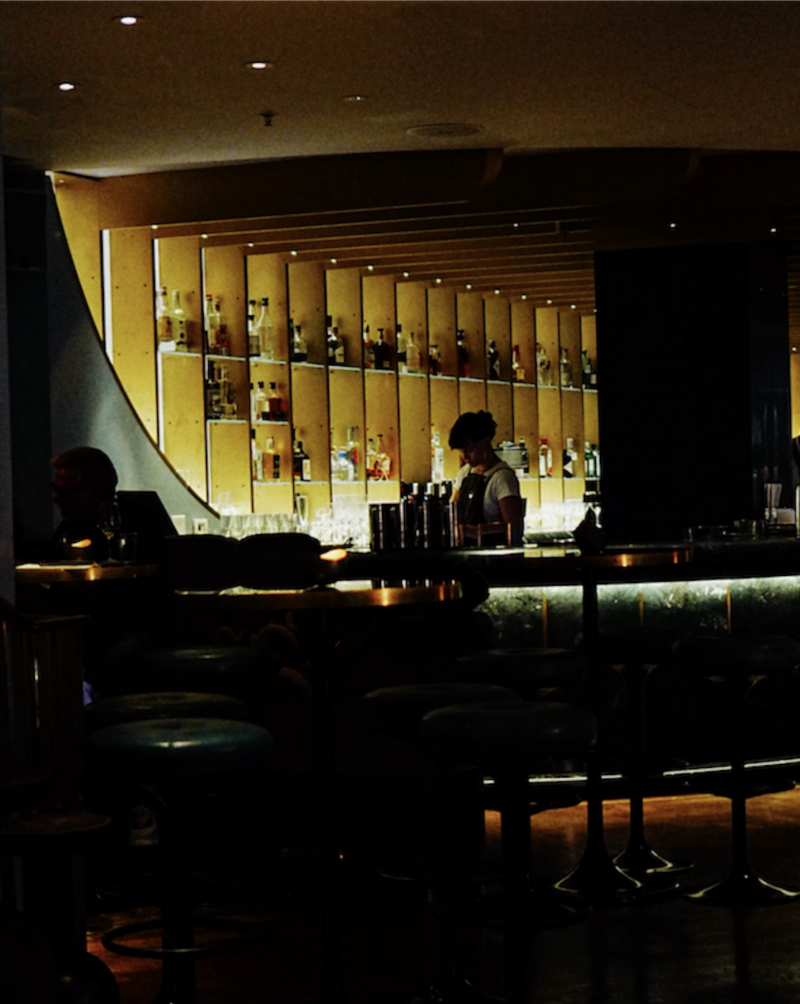
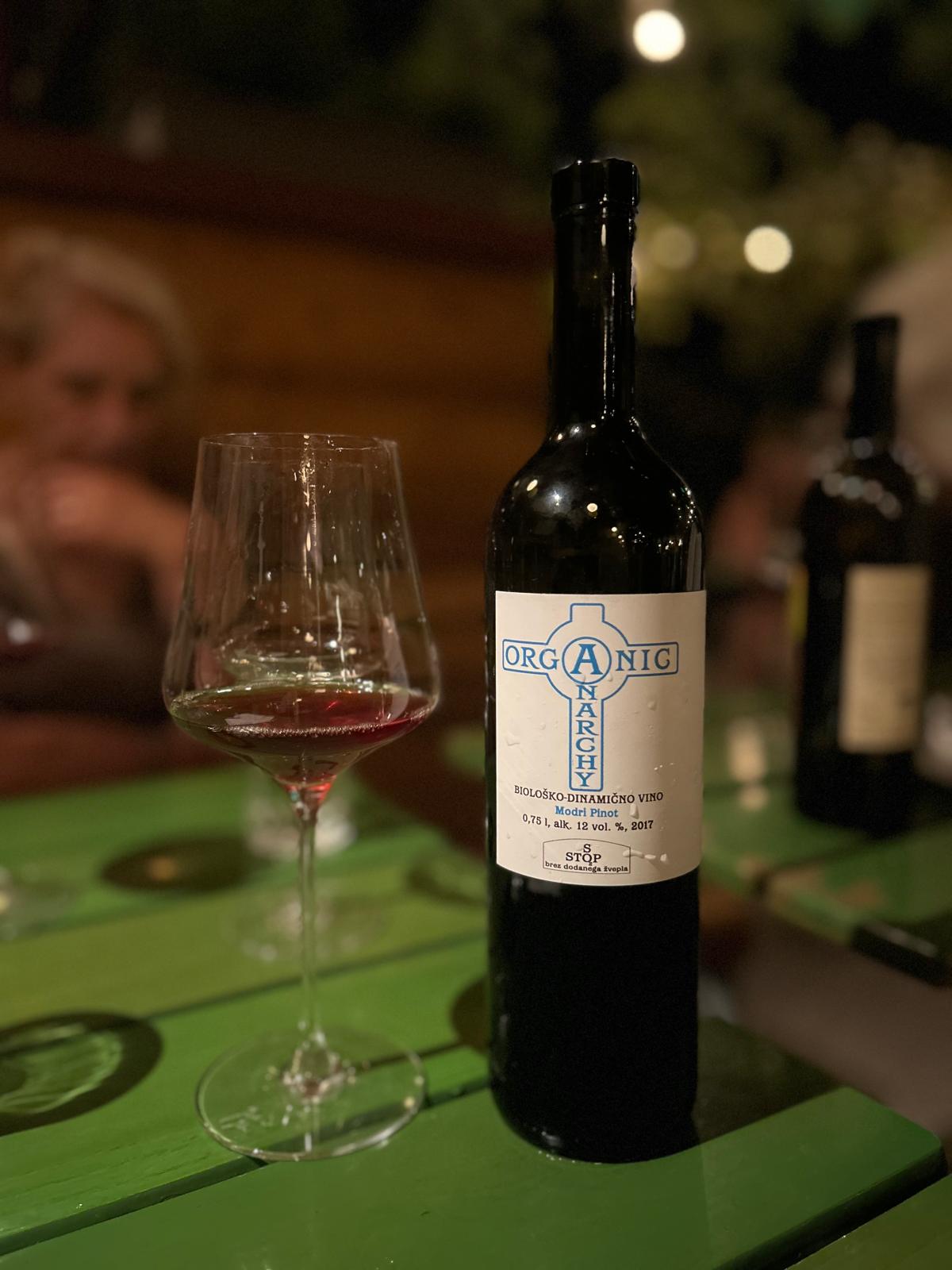
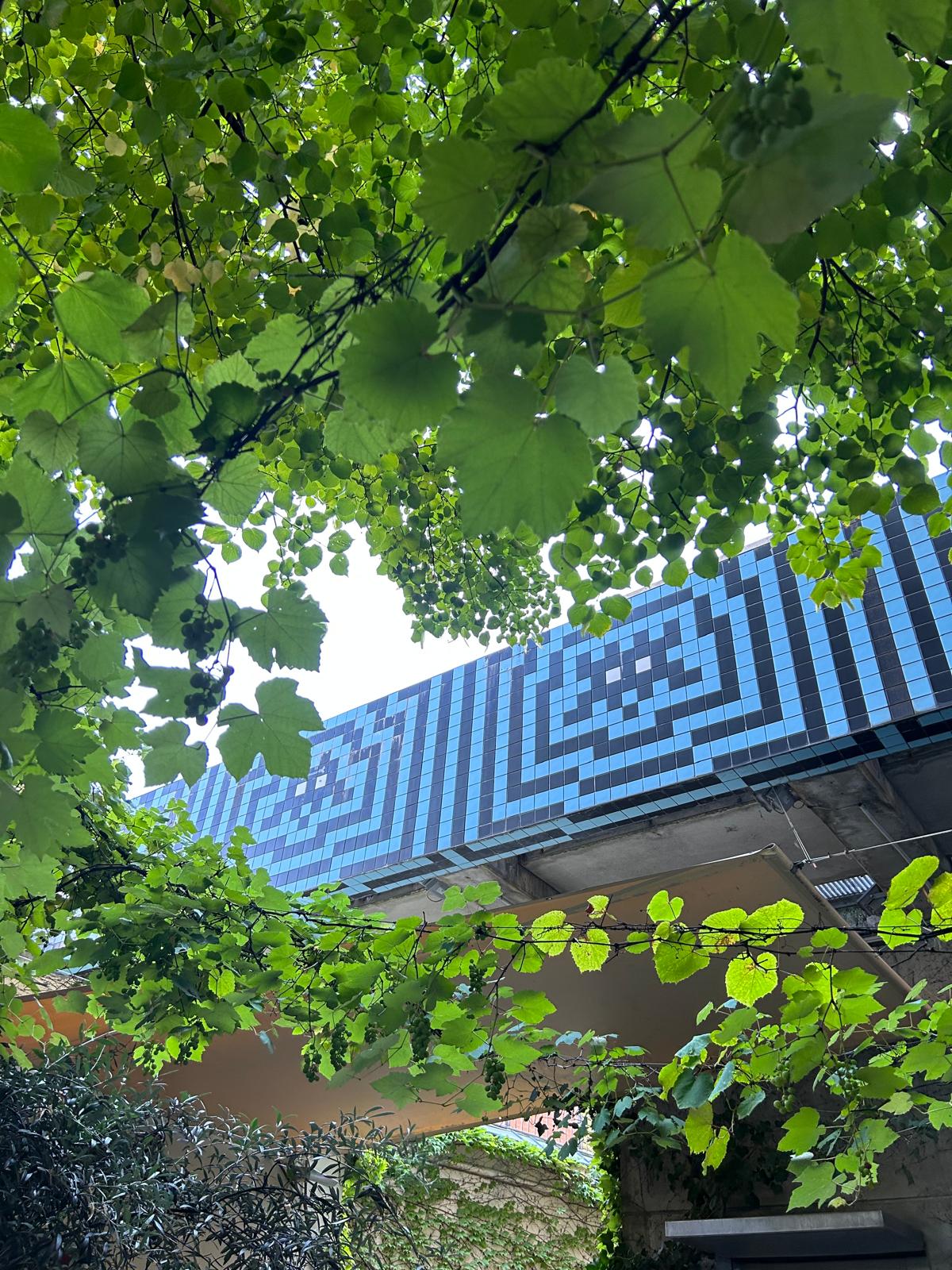
If I had to name a place that feels like my second kitchen in Vienna, it would be Glacis Beisl. Tucked beneath the chestnut trees behind the MuseumsQuartier, it’s where I end up most often, sometimes for lunch, sometimes for “just one glass” that turns into three. Owner Paul Bodner, a true wine obsessive, has built a list that reflects both curiosity and affection. He buys like a collector, not a speculator. The list features some rare bottles, some humble, all chosen for their soul. His heart lies in Central and Eastern Europe, but you’ll find treasures from France and Italy too.
Paul’s cellar is quietly magical; if you’re lucky, he might slip something special onto the list: An aged Nittnaus, a perfectly mature Čotar, aged Muster or Tscheppe, or a curve ball of natural sake. The best values are always the Austrian and Slovenian hits, shown at their peak.
The food is pure, timeless comfort: pork crackling dumplings, blood sausage in several iterations, Wiener Schnitzel that shatters just right, goulash that restores your faith in stews. Glacis Beisl is where vintners, journalists, locals, and travelers gather to share honest food and wines that mirror this corner of Europe as it is today—vivid, grounded, and quietly full of life.
6. Taubenkobel
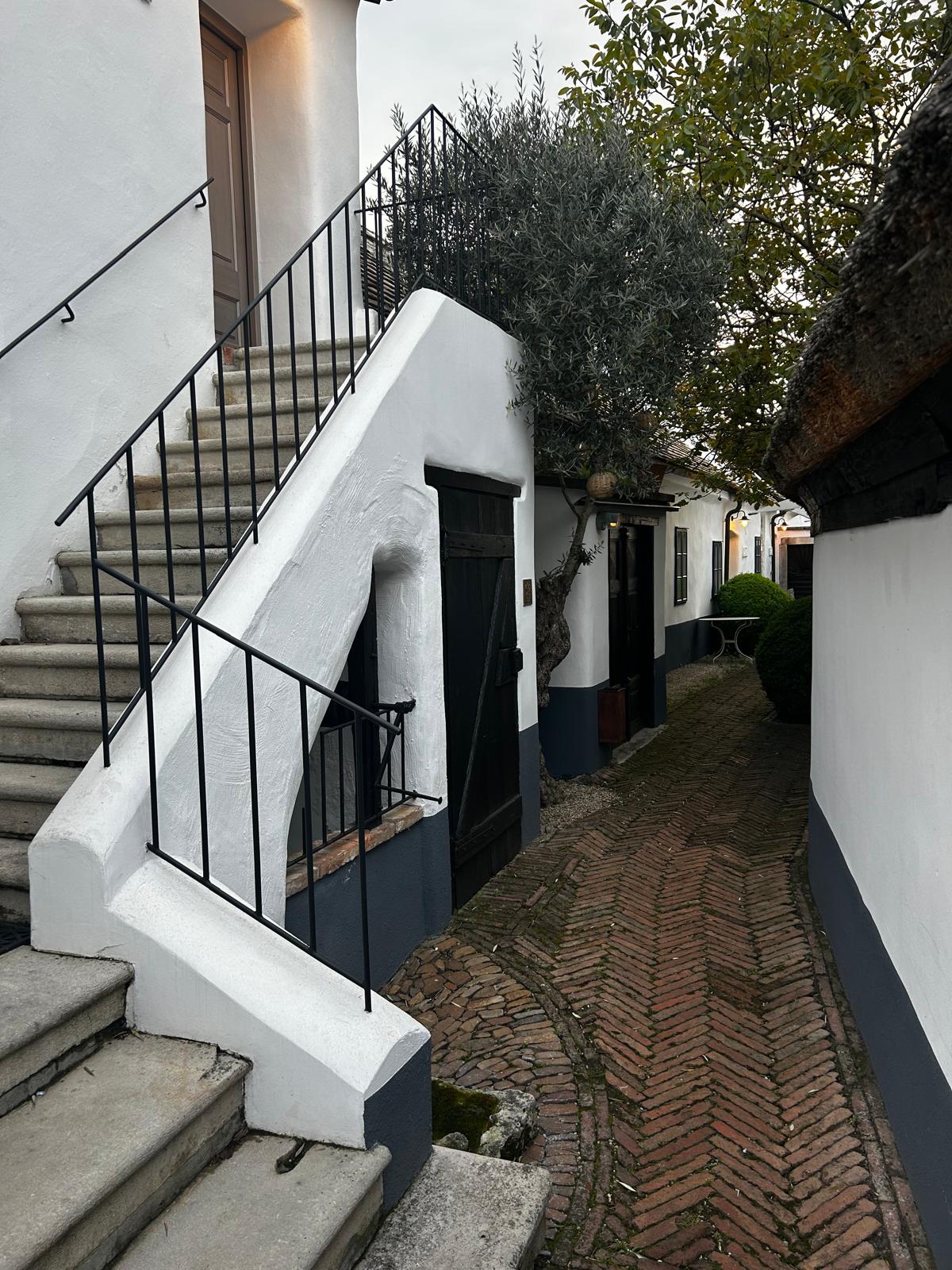
Driving into Schützen am Gebirge always feels like you’re slipping through a curtain between worlds. Then, there is Taubenkobel, that improbable mix of fine dining and barefoot ease. Barbara Eselböck runs the show with elegance, while Alain Weissgerber cooks unapologetically. Everything here feels lived-in: pungent garden herbs, lake fish that smell faintly of woodsmoke, meat on open fire and beautiful presentations. Even plates and cutlery carry a sense of craft. The wine cellar is a revelation with hundreds of bottles, all chosen with curiosity.
You’ll find Burgenland naturals shoulder-to-shoulder with Loire legends and grower Champagne, each bottle telling the story of the couple’s background. As a Relais & Châteaux hotel, Taubenkobel also invites you to stay. The apartments are beautifully designed, comfortable without pretension, and full of small, thoughtful details.
Breakfast by the pond is pure poetry that might ruin you for hotel breakfasts forever. Next door, the Greisslerei serves comforting lunches, soups, and seasonal dishes, while doubling as a shop stocked with the family’s artisanal products, pantry goods from friends, and even a few pieces of clothing. It’s all part of the same philosophy: taste, texture, and craft.
7. Bootshaus
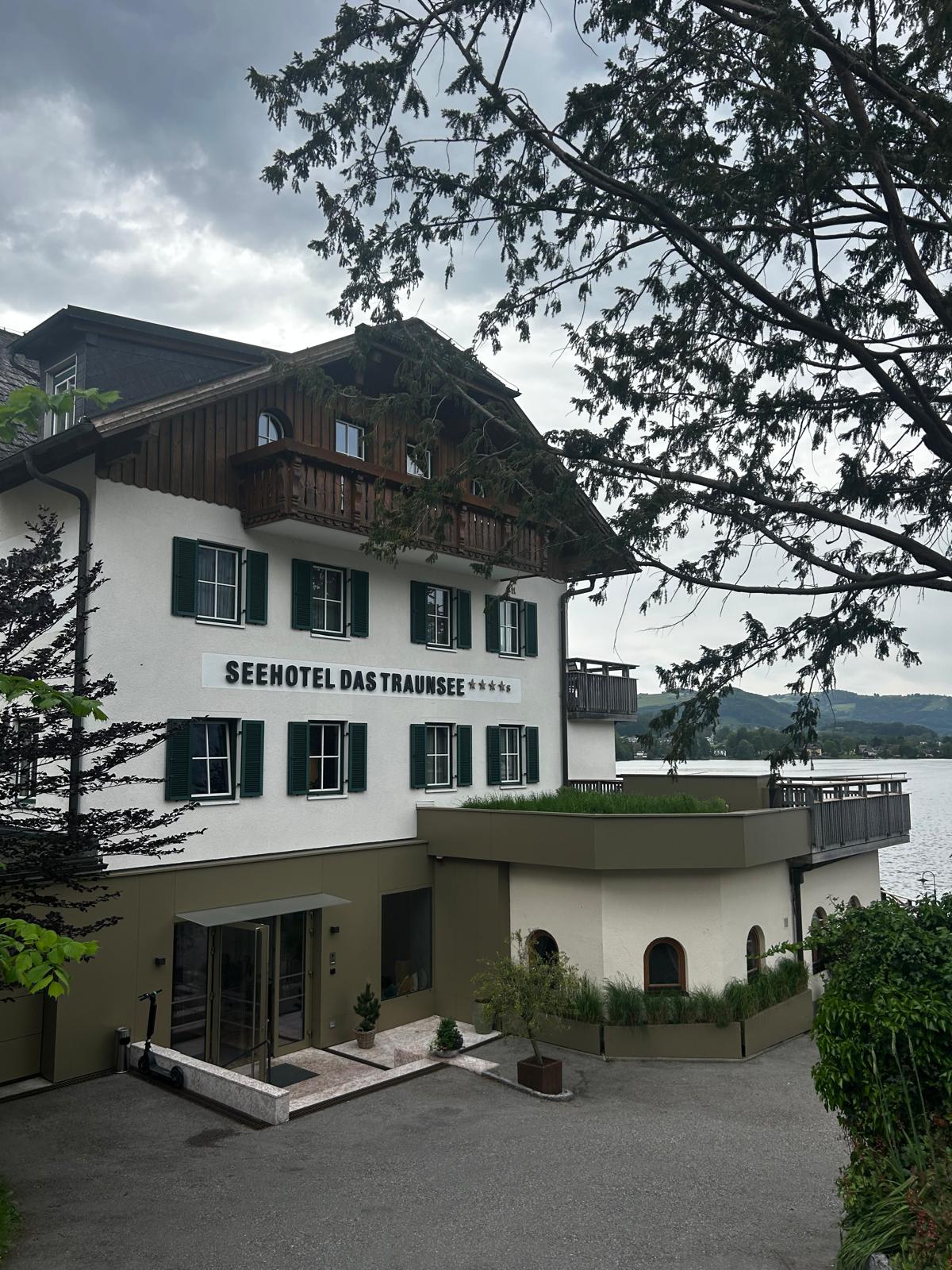
Driving down toward Traunsee, the road bends and the lake suddenly opens up and a mirror of deep blue framed by green hills and sharp peaks appears. It’s one of those cinematic Austrian moments that makes you fall in love with the country’s landscapes all over again. By the time you reach Traunkirchen, Bootshaus appears at the water’s edge — the restaurant of Lukas Nagl, whose cooking has become inseparable from the soul of this lake.
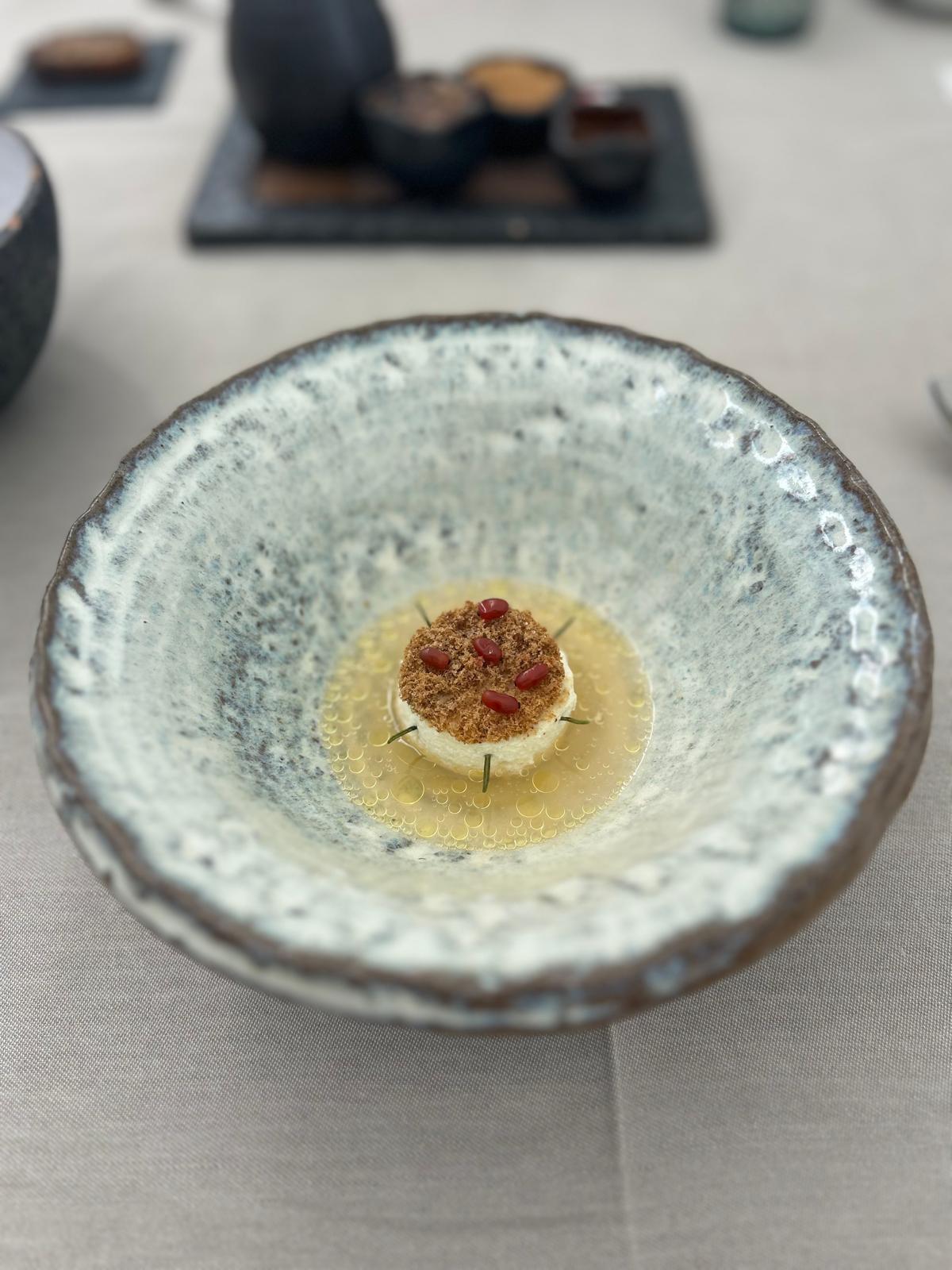
Nagl’s cuisine is precise but never sterile. Local fish take the lead: arctic char, pike, crayfish, each treated with quiet reverence and paired with mountain herbs, fermented roots, and gentle smoke. There’s a pulse of comfort beneath the refinement. He also sources lamb from nearby farmers, meat with a stronger, gamey character, perfectly seasoned and utterly delicious. And for those who want to bring a piece of his craft home, Lukas makes his own soy sauce and other products, available for purchase at the hotel.
The wine list hums with life, featuring a great range of wines, from Austrian naturals, Wachau classics, to German and French benchmarks, all chosen to flow with the food. Service is intuitive, the lake glimmers through the windows, and everything moves in rhythm.
The restaurant sits within the Hotel Das Traunsee, one of Austria’s most serene lakeside retreats. The rooms are spacious and quietly elegant, with balconies that hover over the water. The breakfast here is legendary: local honey and dairy, smoked fish, fresh pastries, perfectly cooked eggs, all served with an unhurried calm. Guests can join foraging walks with Lukas Nagl, head out on kayaks across the glassy lake, or take a boat tour with the hotel’s owner, who shares stories of Traunkirchen and its centuries-old connection to the water.
Lunch on the terrace completes the picture: all your senses tuned to Traunsee’s quiet magic. Bootshaus doesn’t just overlook the lake, it distills it into flavor, smell, and texture.
8. Wirtshaus Jagawirt in St. Stefan ob Stainz
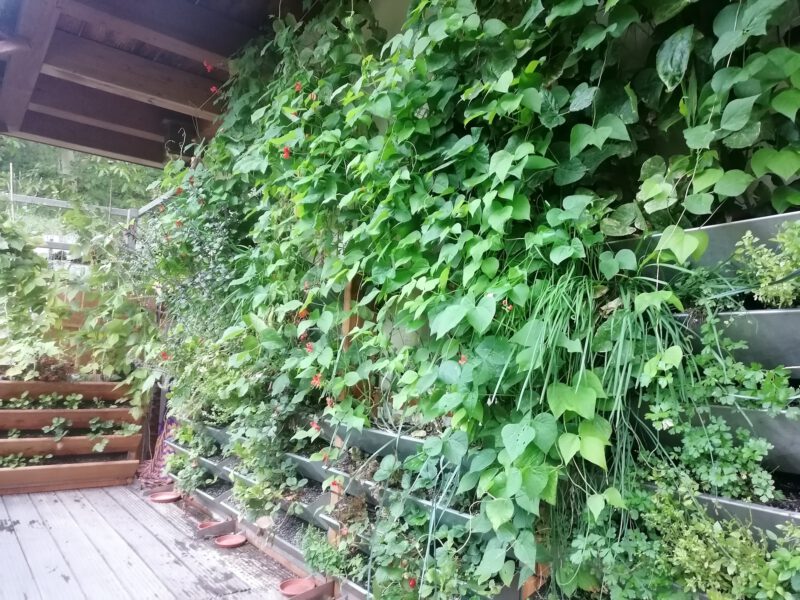
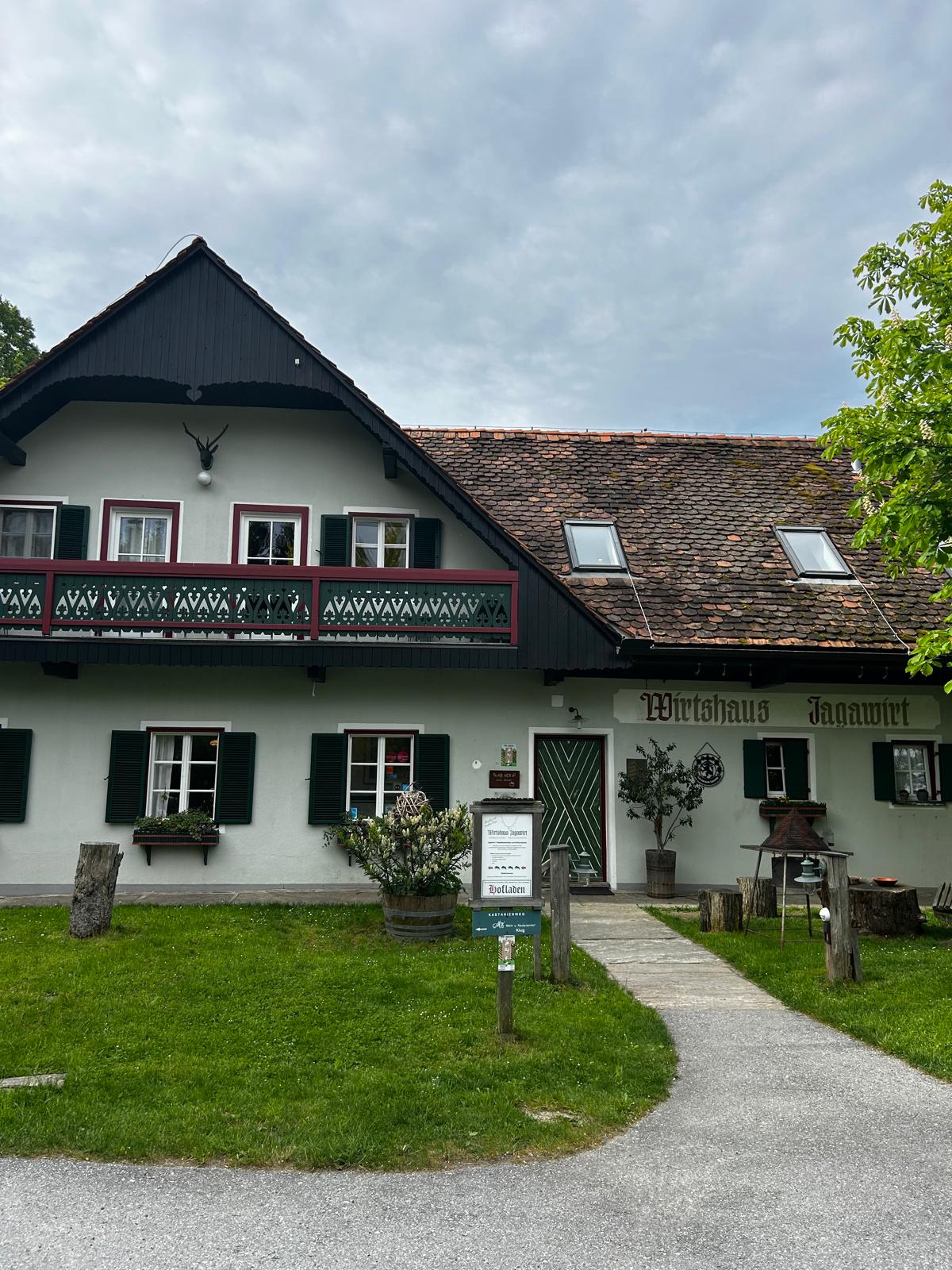
There are plenty of „Jagerwirts“ scattered across Austria, but only one like this. Hidden in the rolling hills of Sommereben near St. Stefan ob Stainz, the Goach family’s Jagawirt is more than a countryside inn; it’s a living ecosystem. Pigs root in the orchard, goats wander the gentle slopes, sheep graze nearby, and fish come straight from local ponds. Their vegetables grow just steps from the kitchen, where the day’s harvest shapes the menu.
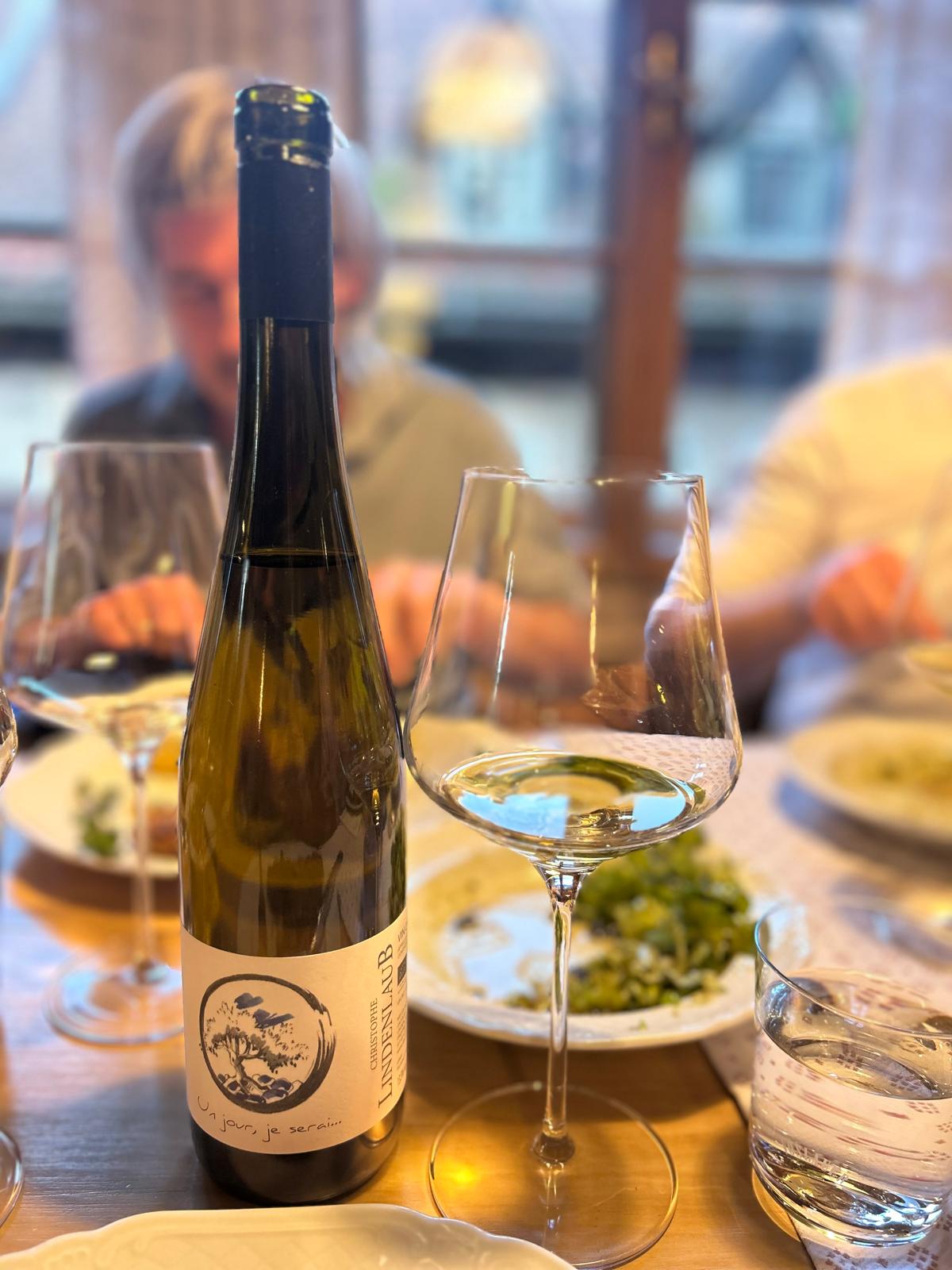
The food is deeply Styrian yet unpretentious. One can eat a delicious schnitzel, or a waldschwein roll from their own forest pigs, crisp salads from the garden, trout pulled from cold streams. And then there’s the wine. Apart from their own schilcher, they also have their own import and distribution. The portfolio highlights natural and biodynamic producers from Styria, France, and beyond, reflecting their belief that wine should be unique and alive.
Inside, wood-panelled stuben glow softly; outside, tables under chestnut trees invite long (and loud) meals.
It’s a place where everything feels connected.

Weiterlesen