Slovenia has become a regular detour in my life. From Vienna, a weekend is easy enough to arrange, though the meals tend to multiply once I arrive.
What brings me back is how much changes across this small country. The Julian Alps have a different appetite from Prekmurje, while the Karst keeps its own pantry of cured pork, herbs and wine. There are ambitious tasting menus, family inns and cellars where lunch quietly claims the afternoon. These are the places I would build a trip around.
Milka, Kranjska Gora
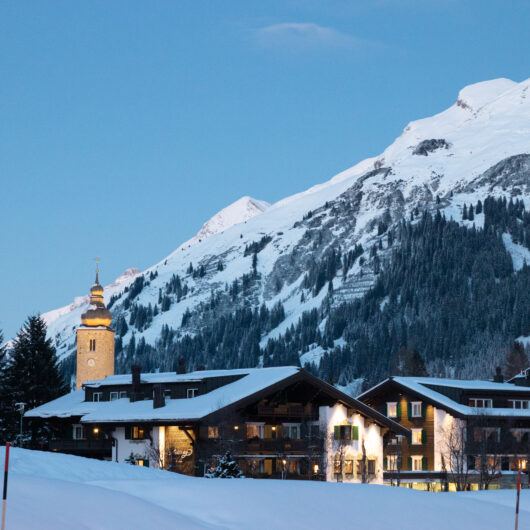
With the Julian Alps rising behind Lake Jasna, I could have spent the evening watching the light change over the water. At Milka, David Žefran gives you reasons to turn back towards the plate.
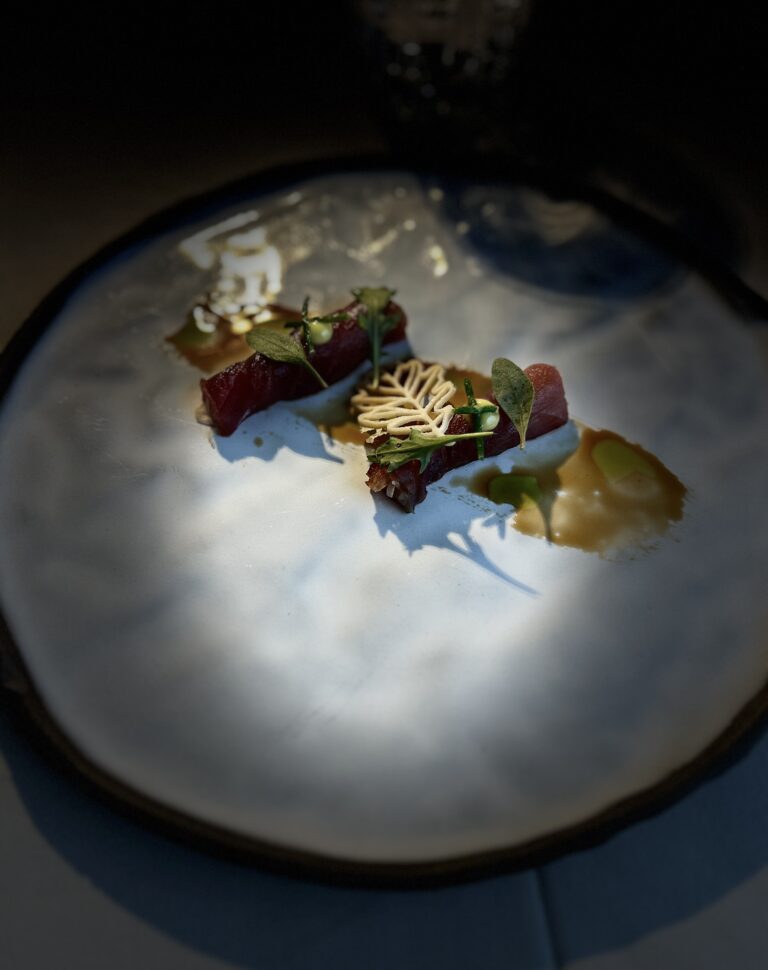
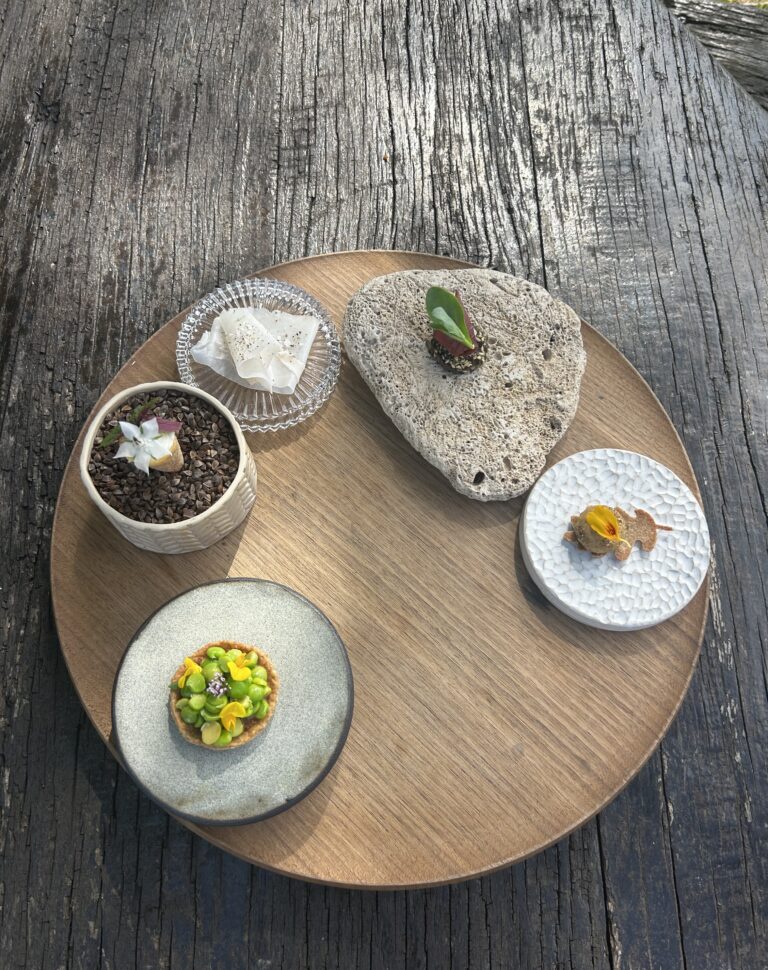
His cooking follows the seasons across Slovenia, Austria and Italy. During my visit, beetroot prepared two ways arrived with bear fat and Austrian caviar, an unlikely partnership of sweetness, richness and salt. The team had been foraging that morning; knowing that made me look again at the landscape.
Even the plates connect to the landscape, made with minerals sourced near the lake, while Slovenian growers share the wine list with neighbouring regions and French classics.
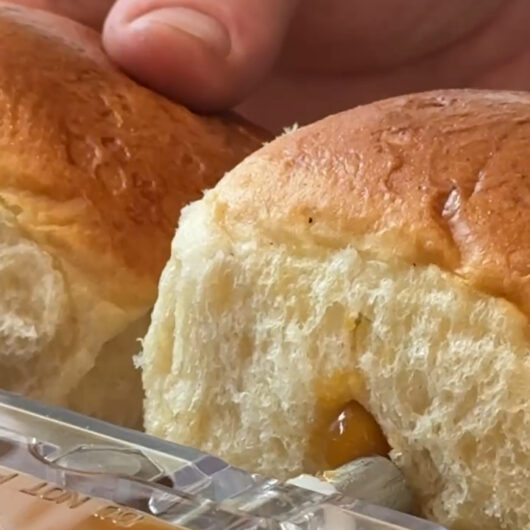
The wonderful rooms make leaving premature. So does breakfast: local cheeses, charcuterie, smoked fish, fresh bread and eggs cooked to order, with coffee from Ljubljana’s Bani Beans and those same mountains waiting in the morning light.
Above Lake Bohinj, Vila Muhr has a setting that makes you want to stay. Built as a hunting lodge in 1902, it later belonged to King Aleksandar Karađorđević of Yugoslavia, who came to hunt and fish. The beautifully rebuilt house now holds four handsome suites, with forest and mountains close at hand.
Davor Arnautović’s cooking draws on freshwater fish, mountain herbs and regional produce. Here I first tried David Lesar’s BioSing products, which eventually led me to his cellar. Breakfast gives the morning similar attention: local eggs, fresh bread, mountain dairy and seasonal ingredients. They call it the Royal Breakfast, though fortunately no inherited title is required.
There is considerable potential in both kitchen and hotel. Everything feels carefully composed; a little more of the team’s own character could make an already lovely place distinctive.
At Union, Bled acquires a Serbian appetite. The chef previously cooked in Belgrade and brings a practiced hand to the homestyle dishes I grew up with. There is something particularly comforting about finding those flavours beneath the Alps.
Beef soup comes with semolina dumplings, meat and root vegetables; pasulj gives beans their proper dignity. Homemade sausages and grilled meats arrive with lepinja, kajmak and roasted peppers, making bread an essential piece of cutlery.
The tripe is incredible, the sort of dish that rewards the faithful and gives the doubtful something to reconsider. This is generous cooking, with the care and patience that familiar recipes deserve.
Janez Bratovž helped shape modern Slovenian fine dining at JB, long associated with Ljubljana’s Miklošičeva street. In May 2026, the restaurant moved to Golf Resort Arboretum at Volčji Potok, beneath the Kamnik-Savinja Alps.
His son Tomaž now leads the kitchen, while daughter Nina oversees wine and service. Having developed his cooking alongside his father, Tomaž brings his own interpretation of seasonal Slovenian ingredients; Nina’s list connects nearby growers with international classics.
The new address gives this influential family restaurant room to begin another chapter. There is history at the table, but the next generation is choosing dinner.
In Jarše, the Marincelj family cooks for Ljubljana’s everyday appetite: stuffed peppers, roasts, liver, tripe and winter blood sausages.
The straightforward menu conceals considerable work. Stocks, pasta and dumplings are homemade; meat, vegetables and preserves are family affairs. Regulars reportedly know the homegrown radicchio well enough to recognise an outsider. I find that level of scrutiny reassuring.
People return knowing what they want: a bowl of stew, a roast, a properly dressed salad and a glass of Malvasia. Pri Stričku understands the considerable pleasure of having those expectations met.
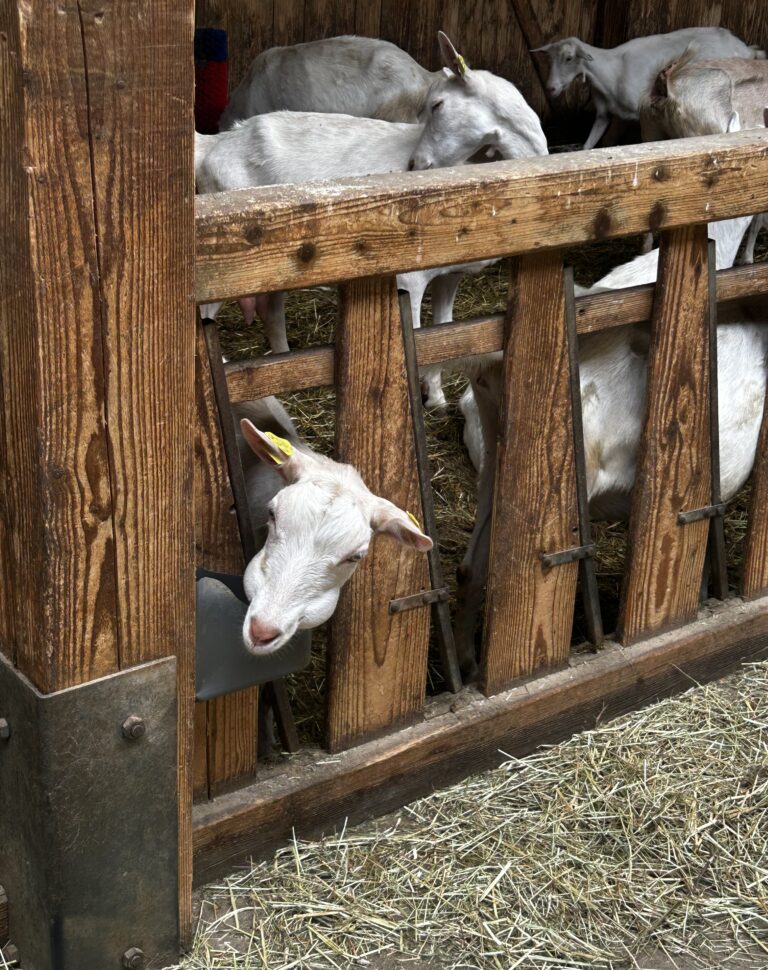
From Grič’s dining room, much of your meal is already in view: the Orešnik goat cheese farm across the valley, the vegetable garden at Luka Košir’s house below, and the wooded hills.
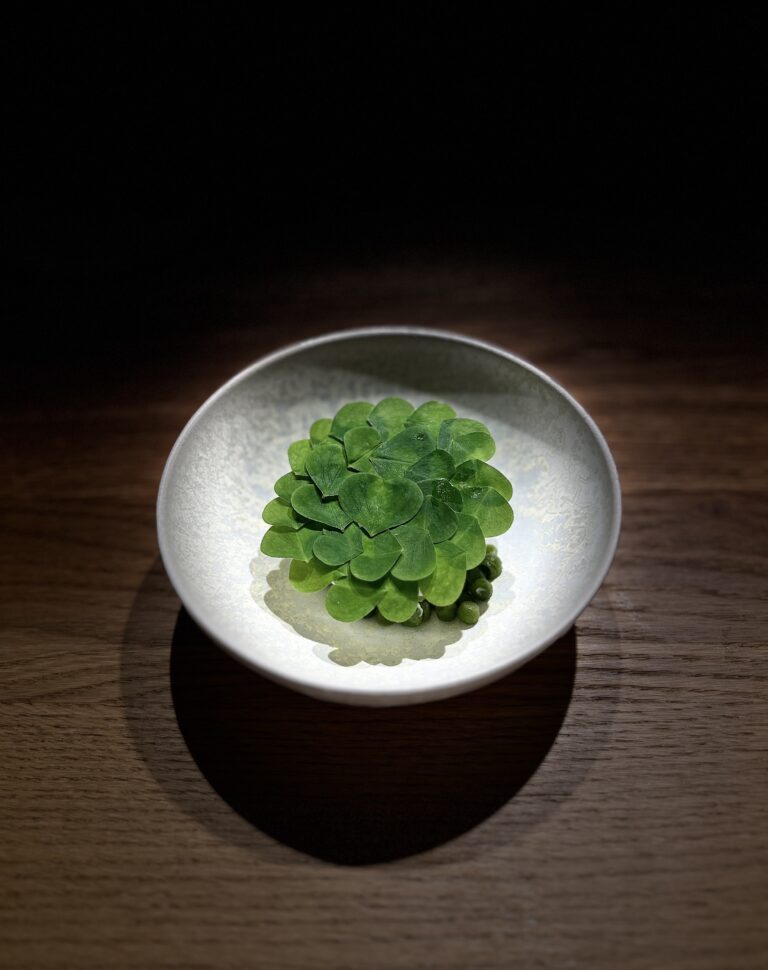
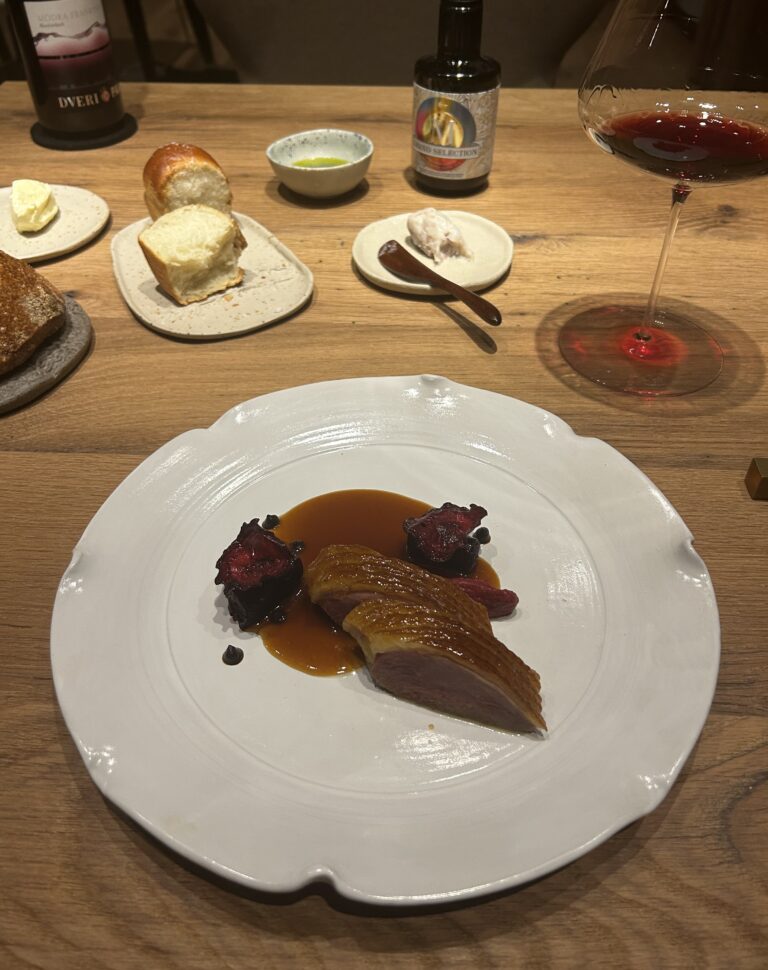
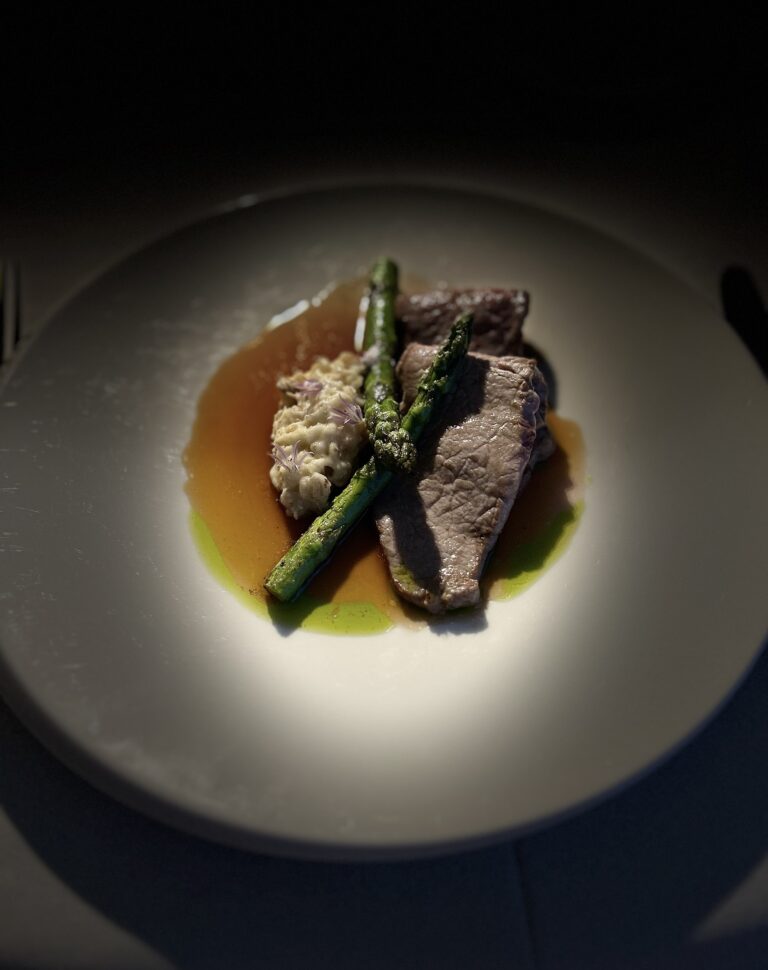
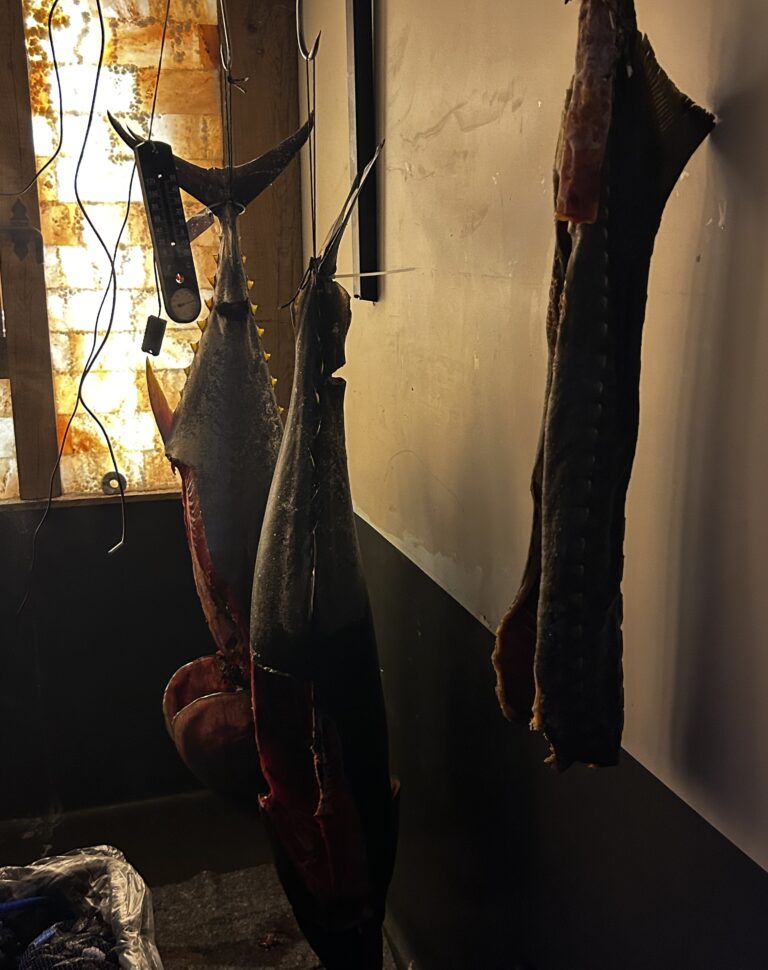
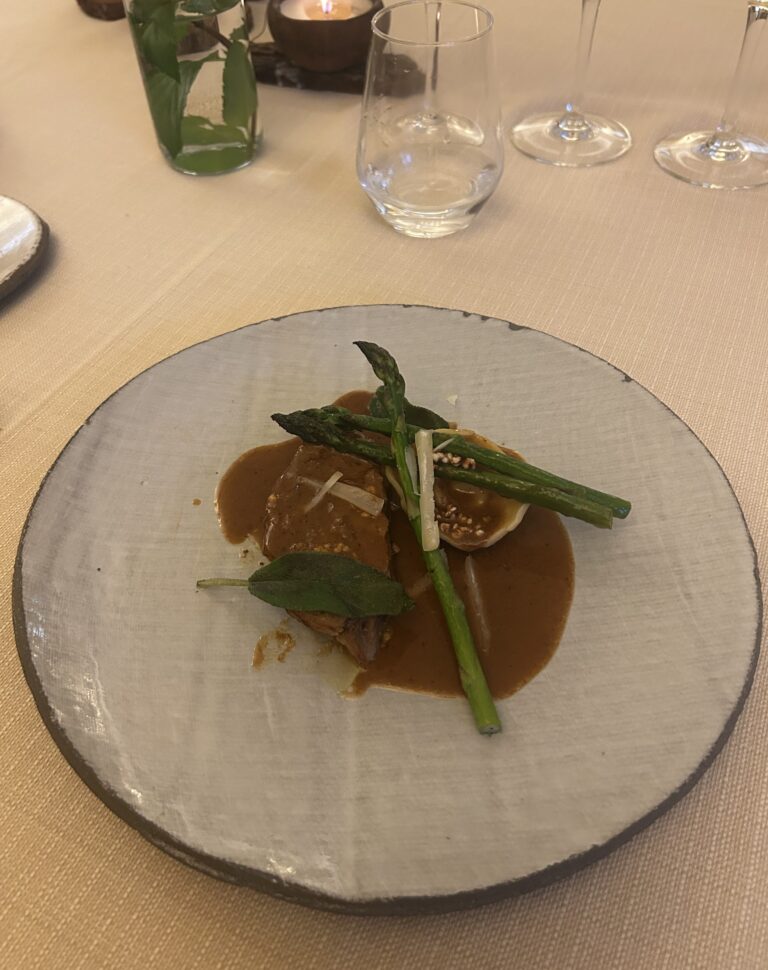
Košir took over the family restaurant in 2009, building on a village tradition of growing, preserving and using what was available. His tasting menu brings imagination to that inheritance: duck feet become garum, meat and fish are aged, and the garden supplies fresh and preserved harvests. Winter brings the farm’s ducks, once the cold has developed the fat he wants. The cellar reaches from Slovenia to international classics.
When Luka built the new dining space, he preserved the original bar. Locals can still come for a beer, even as others travel across countries for dinner.
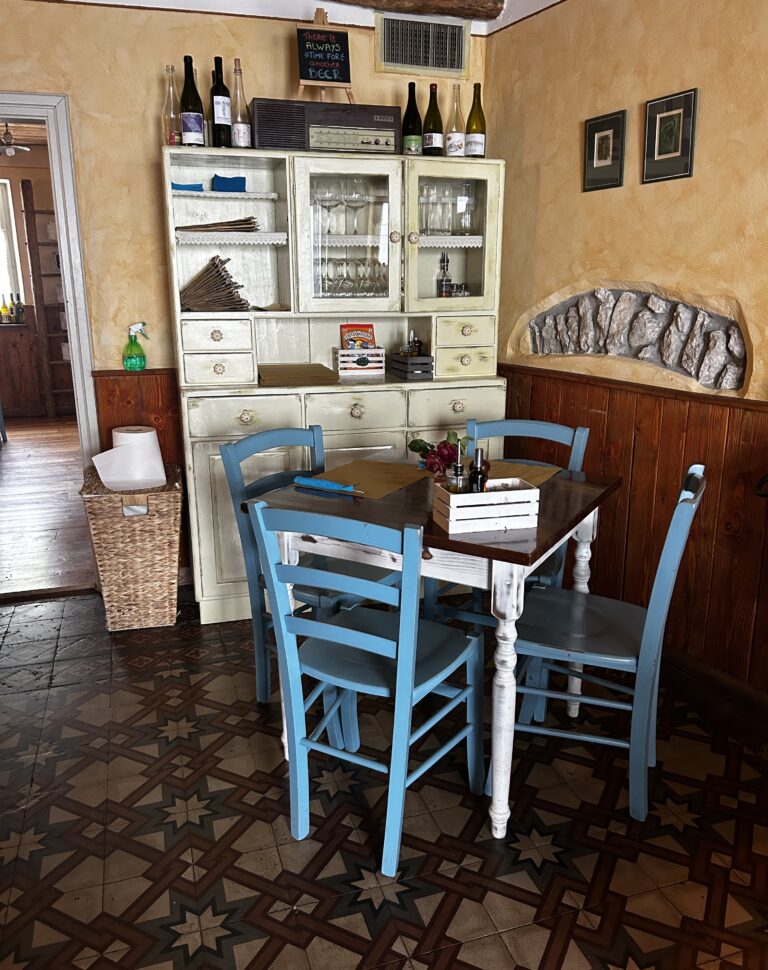
Jure Črnič and Katarina Hiti carried a little of Ljubljana’s bar culture back to Cajnarje, reviving an old family tavern within reach of the capital. Inherited furniture and mismatched crockery retain traces of other people’s evenings. The couple have given the old tavern a new life, while keeping the village at its table.
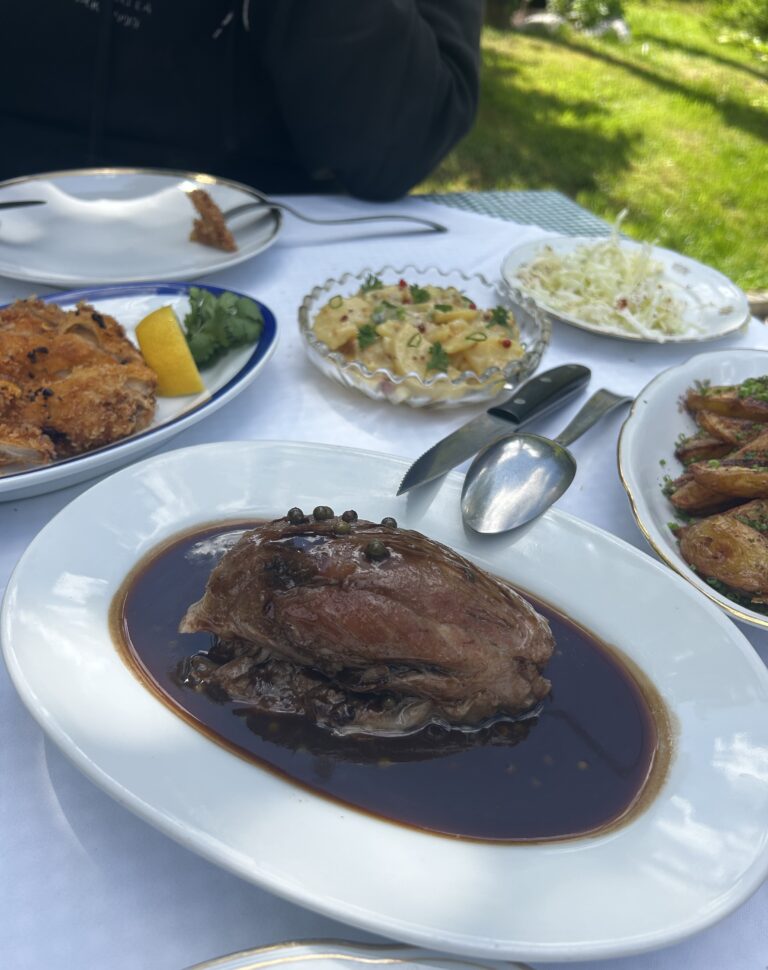
Katarina’s seasonal cooking draws on the traditional repertoire: smoked trout, pork shank, meatballs and offal. The soundtrack receives attention, as does a wine selection that has included Štekar, Terpin, Radikon and Šuman.
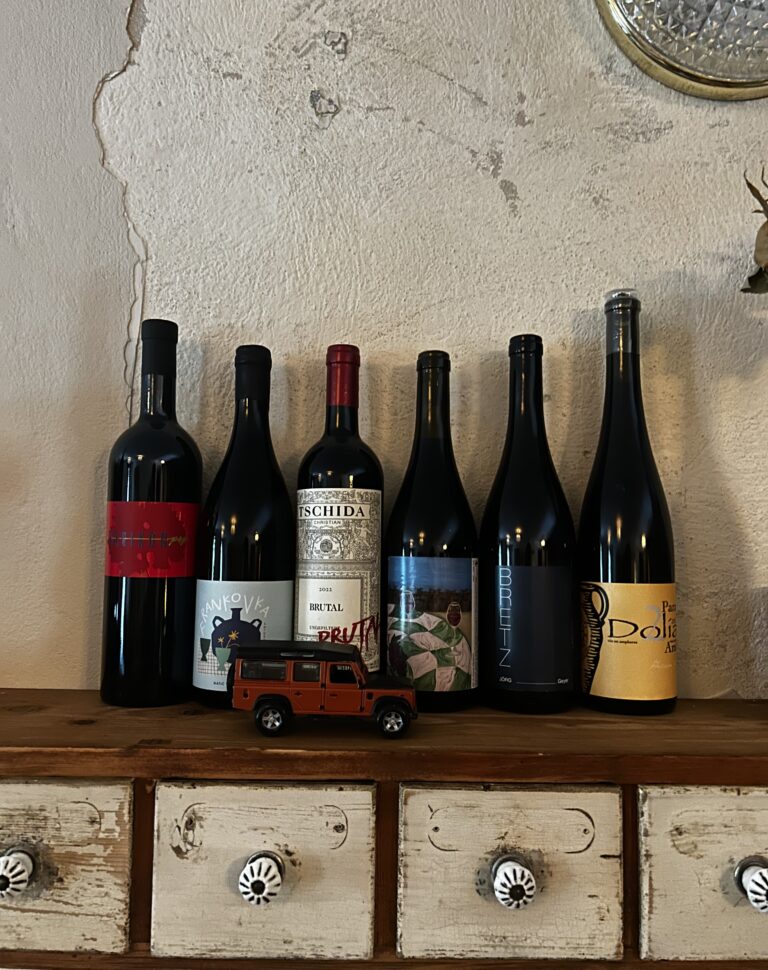
These are bottles that give a country lunch room to wander, particularly when the food is substantial and nobody has consulted a clock.
After trying David Lesar’s products at Vila Muhr, and with encouragement from Niko Dukan, I visited BioSing in Ribnica. Some foods make you want to meet the person responsible.
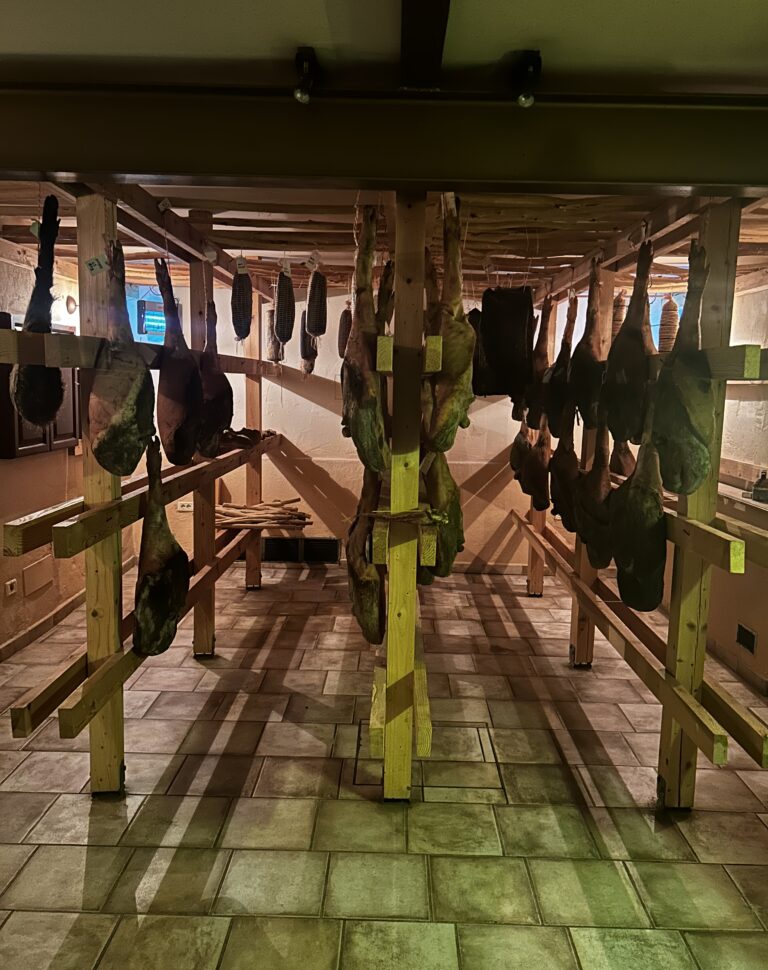
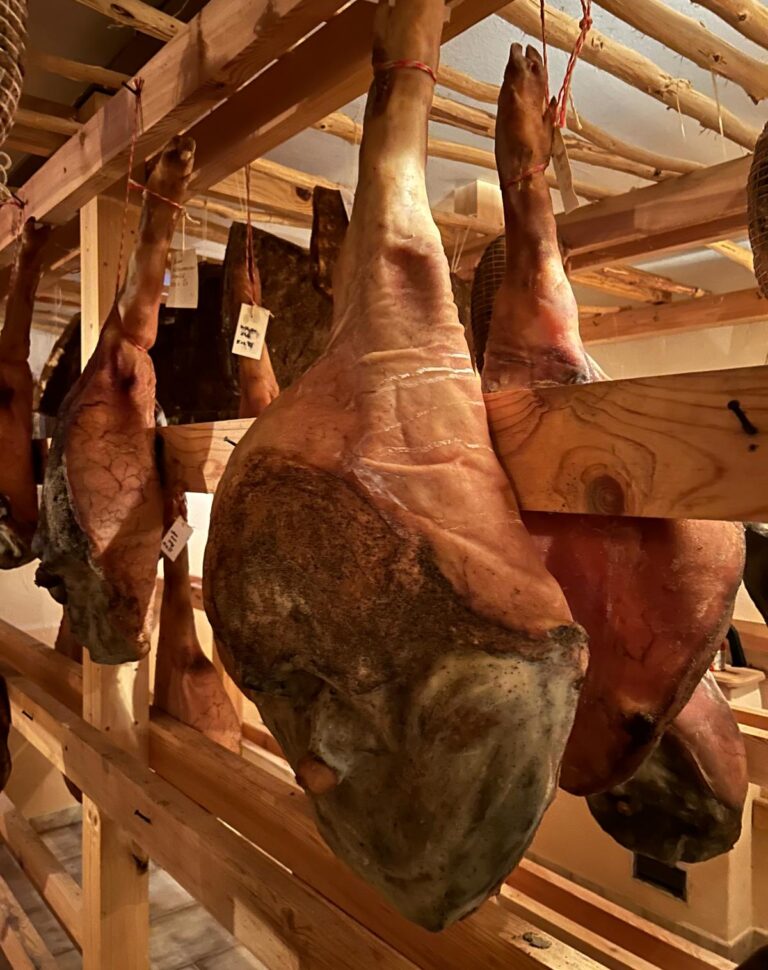
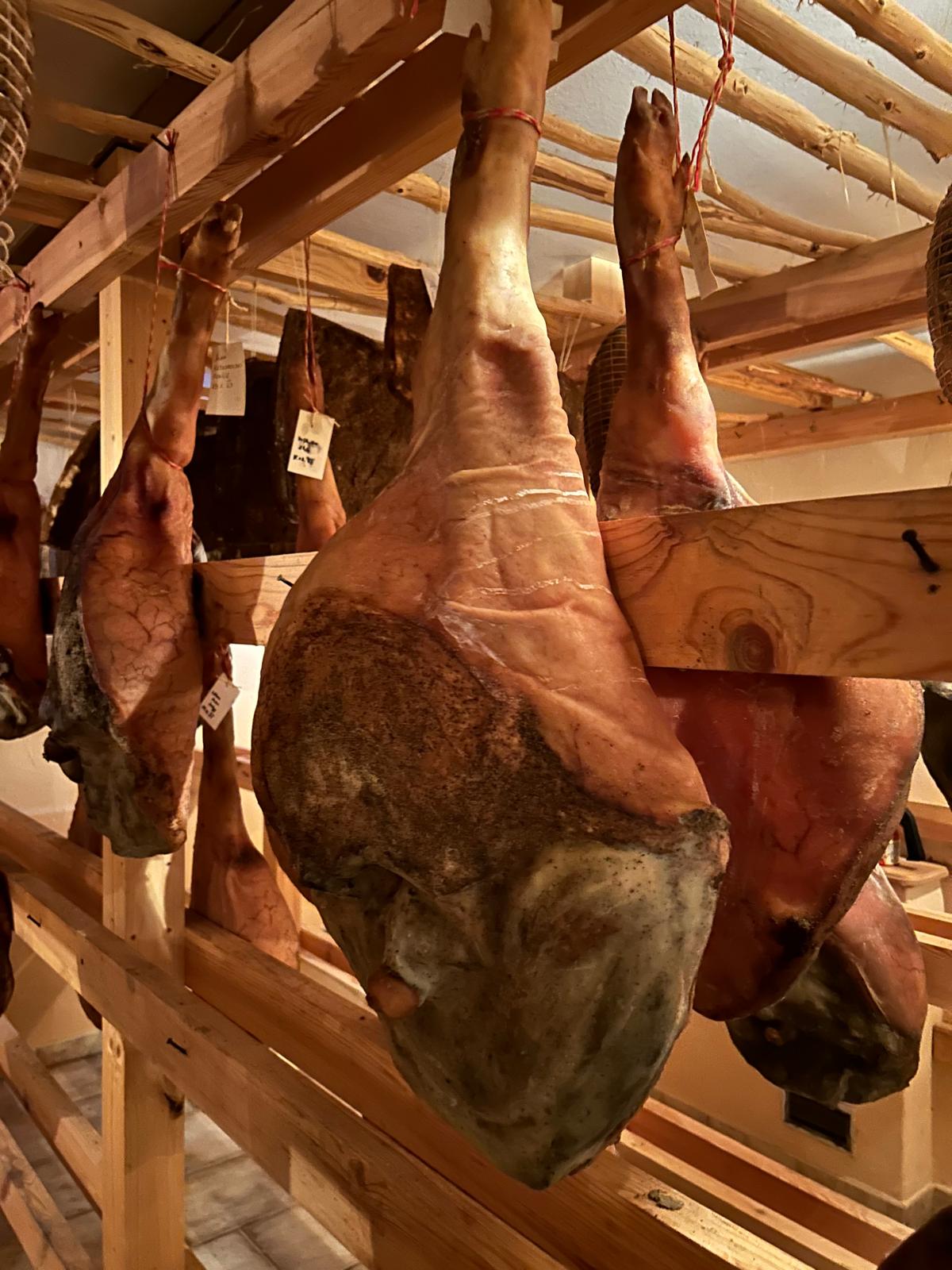
Lesar approaches cured meat with a cellar obsessive’s concentration. Carefully selected pork and game undergo slow, natural fermentation and maturation, with some G-Line salamis aged for as long as a decade.
David chooses the accompanying wines, giving charcuterie the attention usually reserved for the bottle beside it: texture, aroma, age and the way a mouthful changes the next sip. A slice of salami can occupy you for quite some time here. Given how long he has waited to serve it, that seems only fair.
I chose to celebrate my birthday at Domačija Novak, which says enough about my affection for the place.
The family guesthouse has fields and gardens, with the surrounding countryside supplying much of the seasonal cooking. Boris chooses the bottles himself, moving between tables and pouring prized vintages from Gravner, Princic, Klinec and other regional producers. Each bottle gives the conversation a little longer to run.
Give it an evening, preferably with a room booked. A birthday is a useful excuse; an ordinary weekend will do.
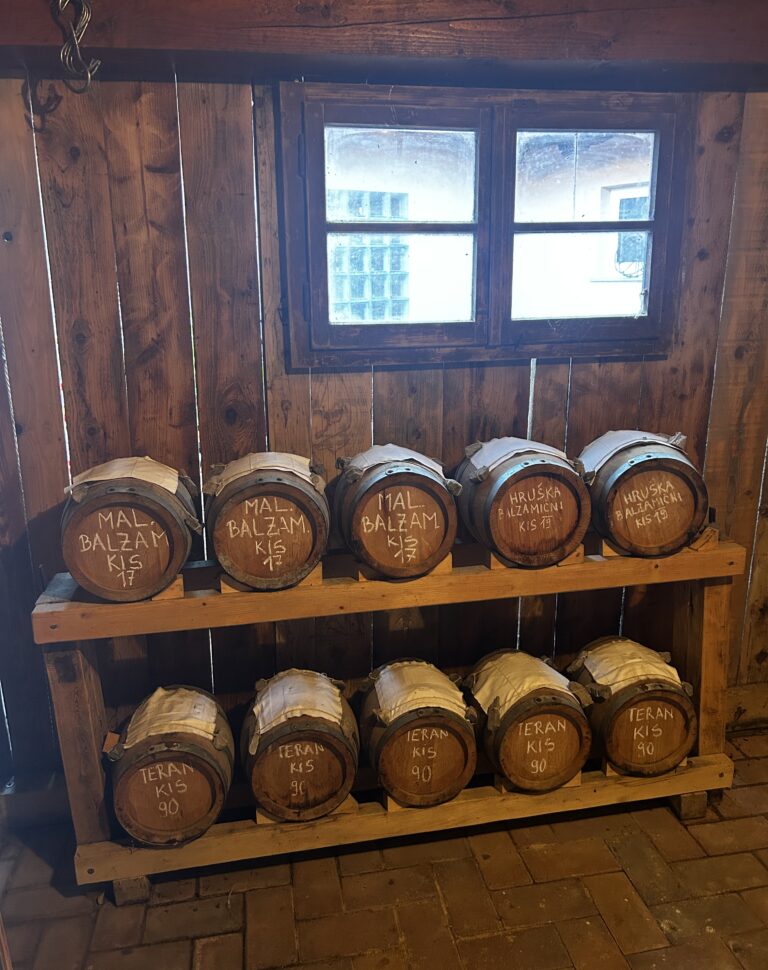
At Špacapanova Hiša, the cellar requires attention. Wines, spirits, vinegars and cured meats reveal a family that has spent decades turning the Karst’s produce into something worth keeping.
Born here, Ago Špacapan returned after several years away, bringing fresh ideas to the regional cooking. Downstairs, the family cures prosciutto and salami and produces its own wines and vinegar.
The winemaking demijohns caught my eye. Fermentation runs through the pantry, whether its destination is a glass or a plate. Ago’s point was simple: good vinegar begins with good wine. Even the salad dressing has standards.
There are rooms, making a thorough investigation of the cellar entirely practical. In the morning, Ago’s mother prepares a lovely, homey breakfast, served with the generosity that makes this feel like a family house. Save some appetite for her.
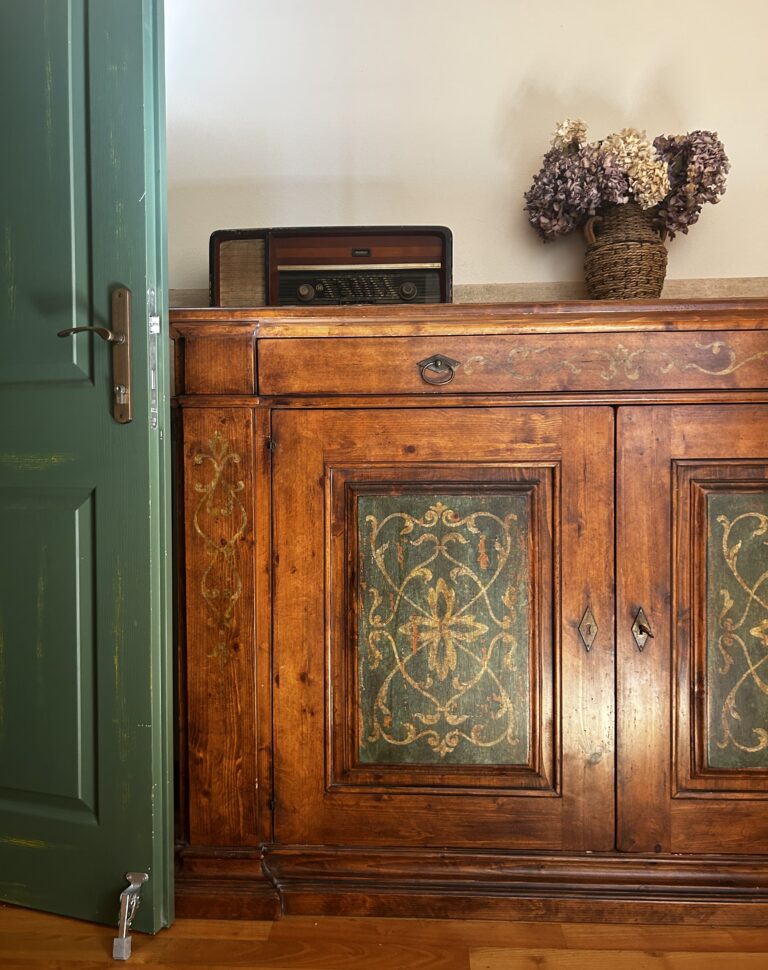
The radio was playing the news when Talking Heads’ “Psycho Killer” came on and the kitchen staff started singing. Light fell through the old window bars, something crackled on the stove, and Valter Kramar emerged from the cellar with a bottle. It was difficult to imagine needing anything else.
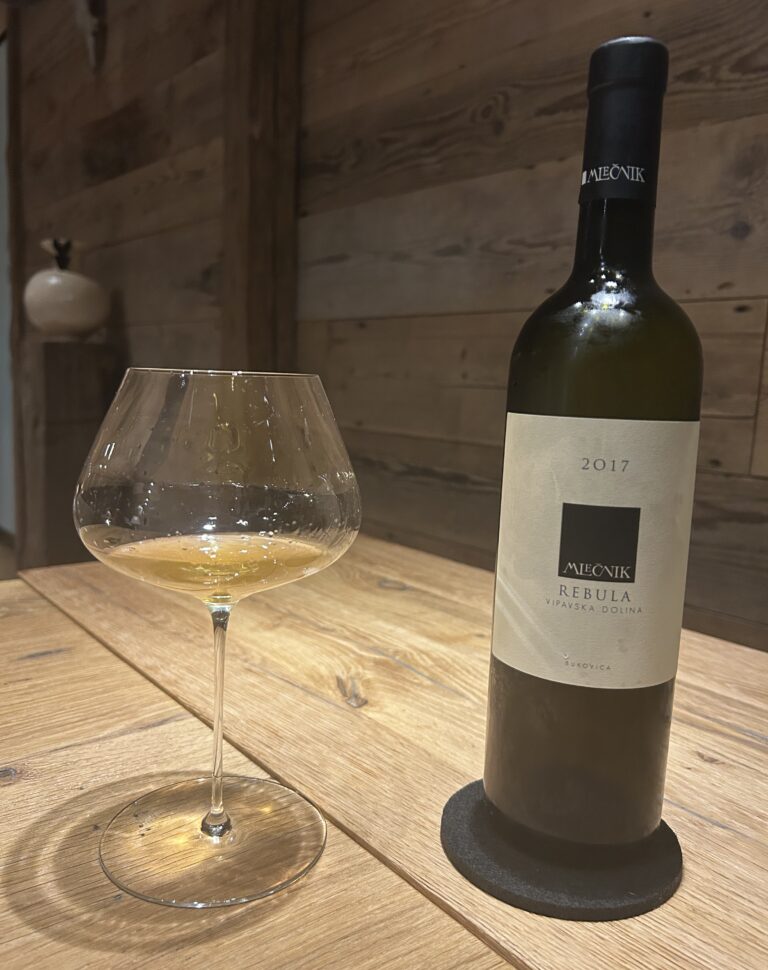
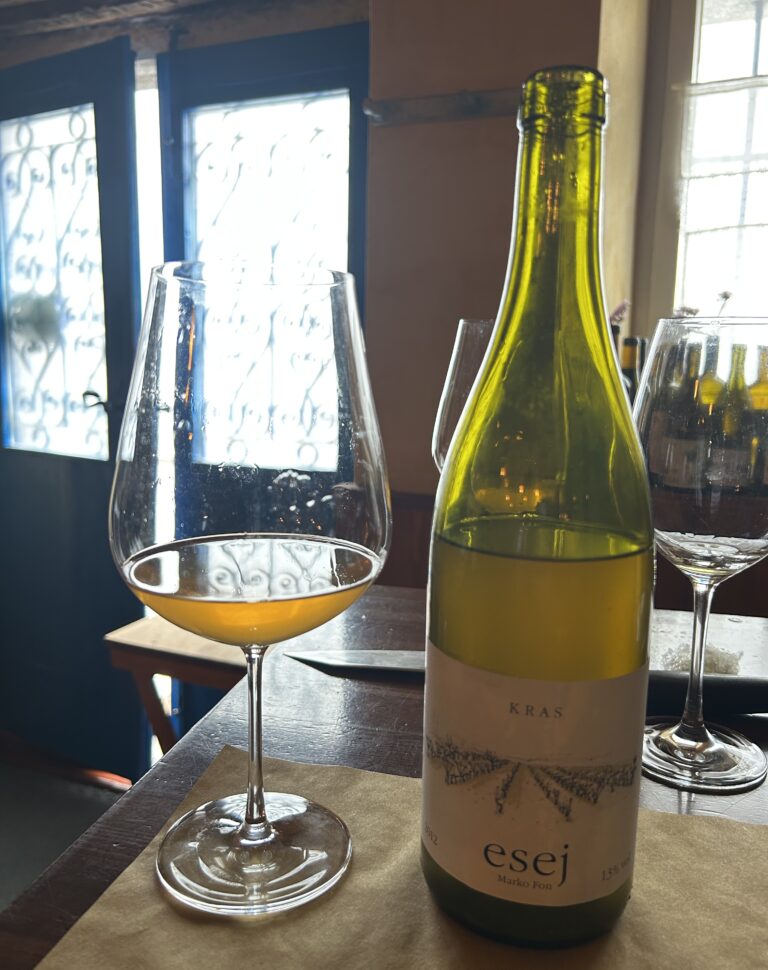
It was Marko Fon’s Esej 2012, made exclusively for Valter in a quantity of just 50 litres. Mostly Malvasia from an old mixed planting, it was salty, fresh and absurdly vibrant. Valter’s enthusiasm for natural wine began with Joško Gravner; decades of friendships have made his cellar a rewarding place.
The food gives those bottles a proper meal: frika, the local potato-and-cheese dish, Franko’s roast beef, venison goulash and kobariški štruklji. Come hungry, preferably after a day outside.
 Alle Fotos © Aleks Zecevic
  Alle Fotos © Aleks Zecevic