For tradition to exist it has to float with time. For tradition to be appreciated it has to speak in the same language as the audience. And language is evolving with the audience.
Perhaps that is why the most compelling producers are those who treat tradition not as something to preserve behind glass, but as a foundation upon which new ideas can be built. The result feels neither nostalgic nor revolutionary, simply inevitable. That, perhaps, is how tradition remains not only understood, but loved.
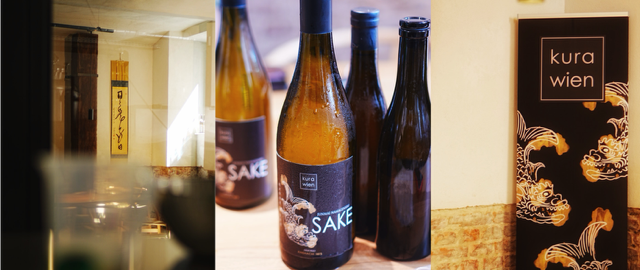
I usually write about bars. This time, the story begins elsewhere: Barmherzigengasse 10, 1030 Wien – Kura Sake, a brewery founded in Vienna by sake enthusiasts.
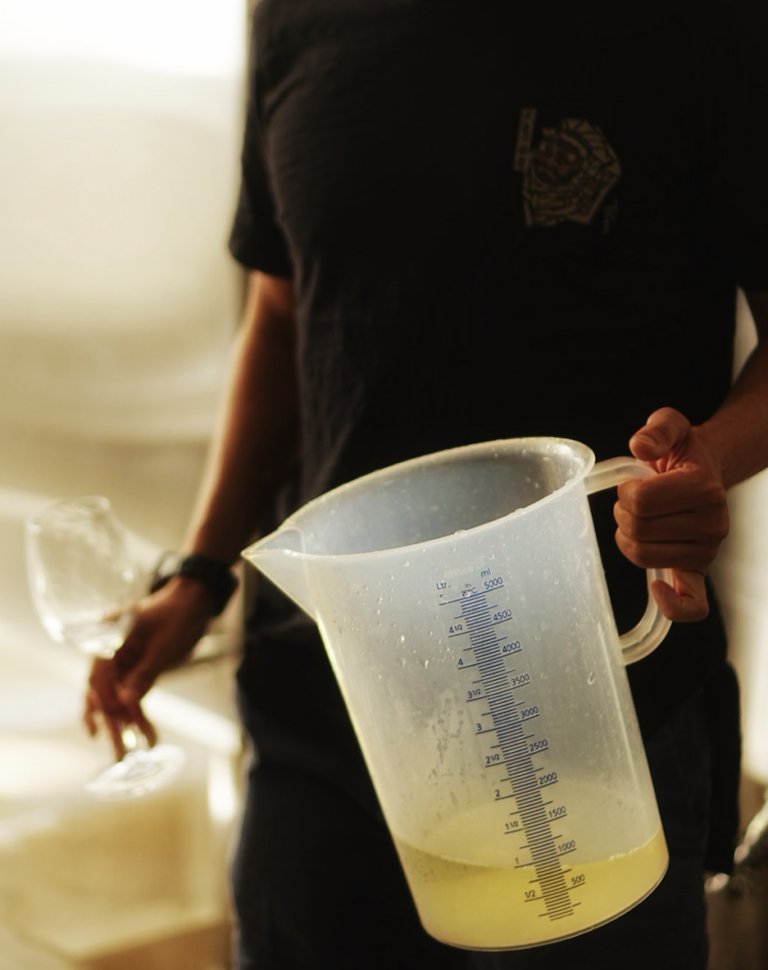
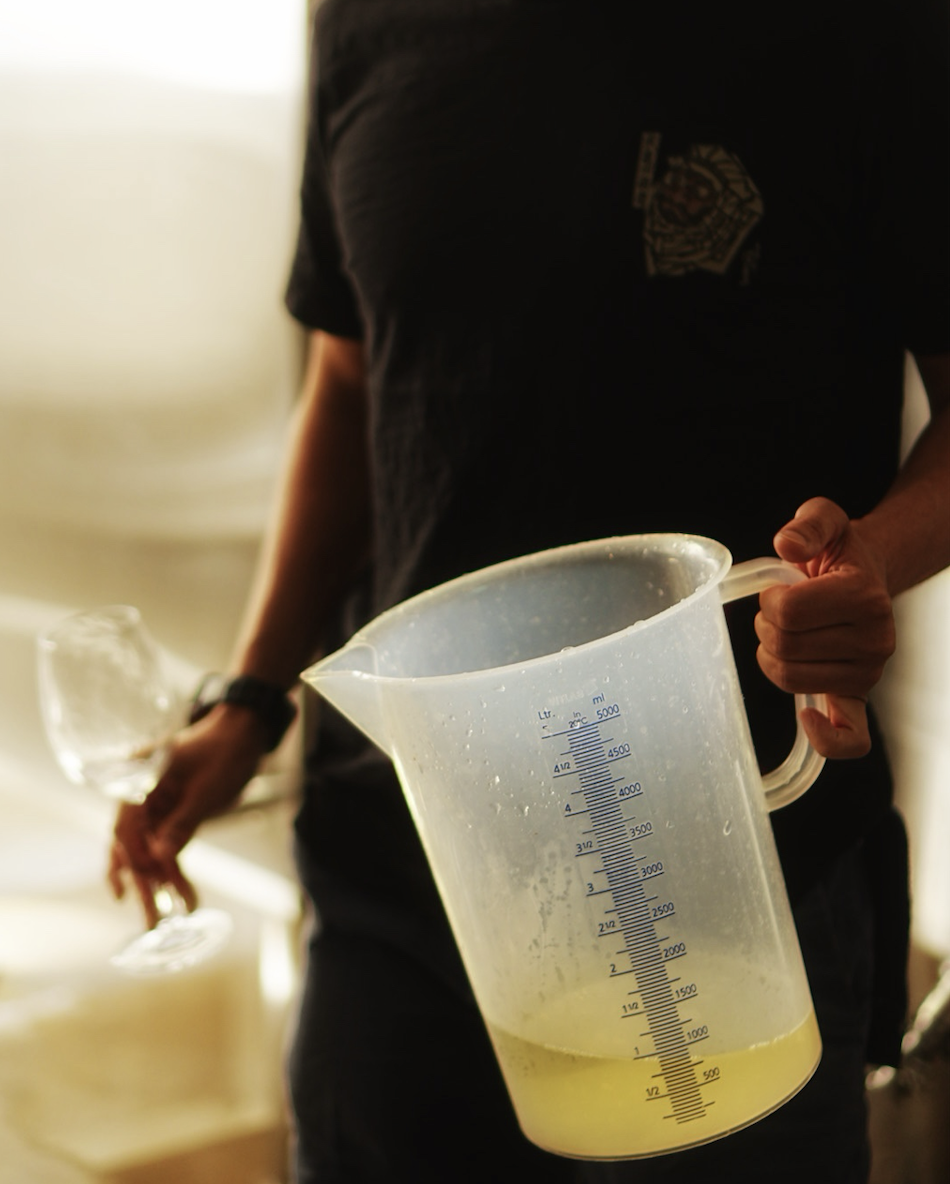
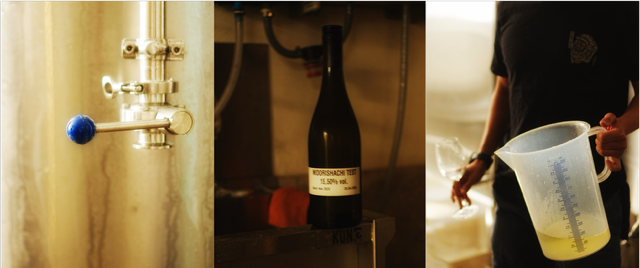
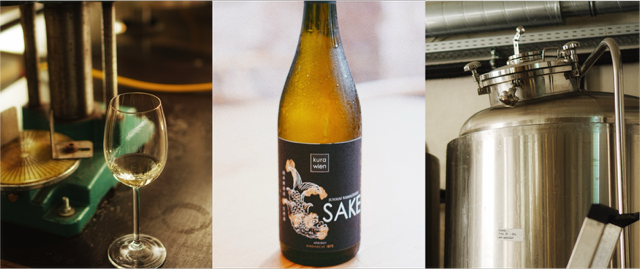
Inside the production hall the process begins, as all good sake does, with rice. From there comes a carefully managed transformation: starches are converted into sugars by koji, fermentation is guided by yeast, and, in some expressions, fruit joins the process through maceration. Every stage is less about intervention than orchestration, each decision shaping texture, aroma and balance.
The choice of ingredients is pivotal. The rice is not any rice, the yeast is not any yeast.
At the time of my visit, Kura was working with organic Arborio, a cultivar of Japonica rice grown in Piedmont. The Arborio sake has a gentle structure and rounded notes of green apple, fresh berries and delicate smokiness. Superb and unconventional for a sake, a vivid flavour, entirely in its own.
Yeast is equally decisive. Much like selecting a grape variety or a whisky cask, the strain determines the direction of the final character. Many premium sakes favour a lineage of yeasts responsibles for encouraging fruit-forward aromatics in the end product, nevertheless the choice of yeast is a very well kept secret. Traditionally, these decisions would fall to the toji, the master brewer whose experience guides every stage of production. At Kura, that understanding is embedded throughout the brewery. The bottles themselves reveal a clear sense of intent.
Each bottle carries the image of a mystical creature, the Shachi. It is more than a simple design flourish. The emblem recalls the gilded Shachi from Nagoya Castle, exhibited by the Japanese delegation at the Vienna World’s Fair in 1873. For a young brewery, it provides an elegant but strong anchor between Japan and Austria cultures, between history and present — a reminder that stories and passion for the craft prevail time and space.
So what’s in the glass ? I share below my tasting notes following the visit to Kura, keeping the wow factor for you to decide. I keep my wow moments for me 🙂 too precious.
1. ARBORIO KINSHACHI – Junmal Namagenshu – flavour profile: apple, bitter almond, smoked lard, earthy-mushroomy. A very round sip, less acidic, even lactonic. Perfectly fitting with charred red meat or mushrooms stakes.
2. ARBORIO MIDORISHACHI – Junmal – flavour profile: green apricots, sour-cherry, bitter almond,
hints of aged parmiggiano sugars. A dry, bright – sharp sip bringing clarity to a steamed fish or a stone-fruit salad or melon.
3. ARBORIO MARUMERO – Aged Sake quince infused – very limited production but such a perfect blend of flavours: notes of cooked quince
come through as a layer of warmth, giving a mild identity to ageing.
4. SHŌCHŪ – like infusing rice spirit with puff rice and popcorn. So playful!
Appealing enough for a visit …? 🙂
The best interpretations of tradition do not imitate the past. They understand it well enough to continue the conversation. Kura’s sake feels very much like that: rooted in centuries of brewing knowledge, yet entirely comfortable speaking with a contemporary accent.
@kura.wien
Until next glass, until next bar,
Silvia Iacobescu
NOTES:
(1) Kinshachi or Golden Shachihoko is a mystical creature from the Japanese folklore, with the head of a tiger and the body of a carp (Koi)